Every Tuesday and Friday at 6:30 AM sharp, Frank Kowalski's truck would rumble down Maple Street, its distinctive engine sound serving as an alarm clock for the entire neighborhood. Kids knew that meant fresh bread day. Mothers knew it meant Frank would have their usual order — two loaves of white, one rye, and those dinner rolls Mrs. Henderson special-ordered for her bridge club.
 Photo: Maple Street, via images.squarespace-cdn.com
 Photo: Frank Kowalski, via arc-anglerfish-washpost-prod-washpost.s3.amazonaws.com
Frank didn't need an app to tell him what each house wanted. He'd been delivering bread to these families for twelve years, and he knew their patterns better than they did. The Johnsons always doubled their order before school started. The Garcias needed extra on weeks when the grandparents visited. Mrs. Chen tried a different type of bread every month, and Frank had learned to bring samples.
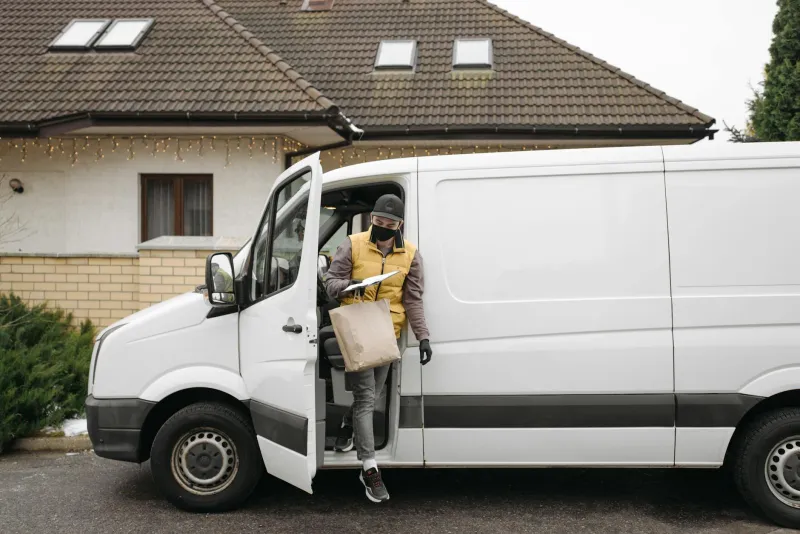
Fifty years later, an Amazon driver drops packages on the same street, guided by GPS and algorithms, delivering to addresses rather than people. The packages arrive faster than ever, but the driver couldn't tell you a single family's name.
The Human Supply Chain
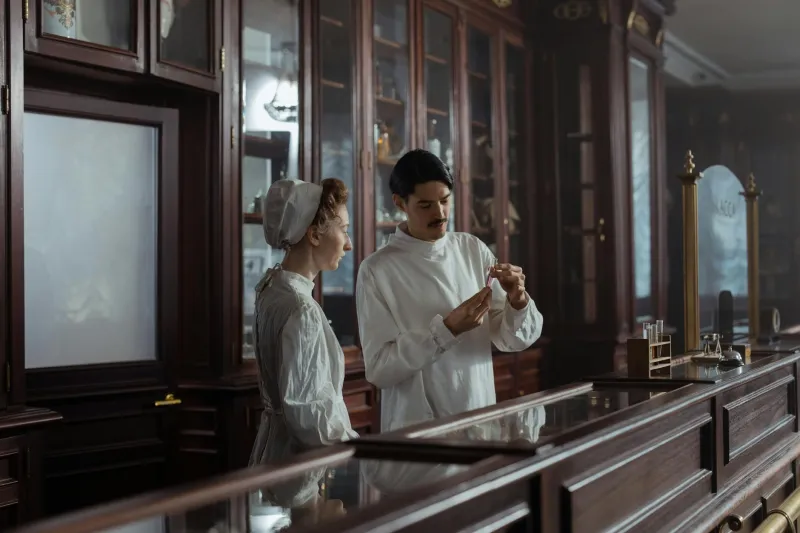
Mid-century America ran on relationships, not logistics software. Every neighborhood had its cast of regular characters: the milkman who knew whether you preferred glass bottles or cardboard cartons, the iceman who understood exactly how much your icebox could hold, the produce peddler who saved the best tomatoes for his longtime customers.
These weren't just delivery services — they were mobile corner stores run by people who understood that business was personal. The milkman didn't just drop off dairy products; he was often the first person to notice when elderly Mrs. Patterson hadn't brought in her bottles for two days, prompting a wellness check that sometimes saved lives.
Delivery routes were inherited like family businesses. Sons learned their fathers' customers, understanding not just what people ordered, but when they needed extra (holidays and family visits), when they'd be traveling (and wanted service stopped), and what their budgets could handle during tough months.
The Algorithm Economy
Today's delivery ecosystem operates with mathematical precision that would astound those mid-century drivers. Amazon's algorithms can predict what you'll order before you know you need it. Route optimization software plans delivery paths that minimize fuel consumption and maximize efficiency. Predictive analytics ensure warehouses stock exactly what neighborhoods will demand.
The modern delivery driver follows GPS instructions to addresses generated by computers, carrying packages selected by algorithms and loaded by robots. They might deliver to the same house every day for a month without ever learning the resident's name or preferences.
This system processes millions of orders daily with remarkable accuracy. Packages arrive when promised, tracking systems provide real-time updates, and the logistics choreography required to deliver everything from groceries to furniture operates with clockwork precision.
What Efficiency Optimized Away
The old system was inefficient by modern standards, but it was inefficient in very human ways. Frank the bread man might spend ten extra minutes chatting with a lonely widow, or make an unscheduled stop because someone flagged him down with an urgent need. Those "inefficiencies" were actually features — they made the delivery service part of the neighborhood's social fabric.
Customers knew their delivery drivers' names, their families' stories, and their recommendations. When Frank suggested trying the new sourdough, people trusted his judgment because he understood their tastes. When the milkman recommended switching to low-fat milk for health reasons, families listened because he'd watched their kids grow up.
The drivers knew their customers' lives in ways that no customer profile or purchase history could capture. They understood that the Martinezes always needed extra groceries when their college son came home, or that the elderly Mr. Thompson had arthritis and appreciated having his milk bottles placed inside the door rather than on the step.
The Personal Touch Premium
This personalized service came with inefficiencies that modern consumers wouldn't tolerate. Delivery schedules were approximate rather than precise. If Frank was running late because he'd stopped to help someone carry groceries inside, everyone else just waited. Orders were placed through conversation rather than apps, leading to occasional misunderstandings about quantities or timing.
The selection was limited compared to today's endless digital catalogs. Your milkman carried what the dairy produced, not the 47 varieties of milk now available through grocery delivery apps. The bread man had a dozen types, not the hundreds of options available through modern food delivery services.
Prices were often higher than mass retailers, but customers paid willingly for convenience and personal service. The relationship premium was built into every transaction — you weren't just buying milk, you were supporting Frank's family and maintaining a connection that enriched your daily life.
The Surveillance Economy
Modern delivery services know far more about customer behavior than any mid-century driver ever could, but they know it through data rather than relationships. Amazon can predict that you'll need laundry detergent next Tuesday based on your purchase history, but they can't tell that you're buying extra because your mother-in-law is visiting and you want to make a good impression.
The algorithms track everything — what you buy, when you buy it, how much you spend, what you return — creating detailed profiles that enable remarkably accurate predictions about future behavior. This data powers recommendation engines, inventory planning, and targeted advertising that generates billions in revenue.
But the data misses context that human relationships provided naturally. The algorithm doesn't know that you're ordering baby food because you're helping your neighbor whose spouse is deployed overseas, or that your sudden spike in grocery orders reflects a family crisis rather than a change in eating habits.
The Community We Delivered Away
The old delivery system created inadvertent social networks. Delivery drivers served as informal neighborhood communication hubs, sharing news about who was sick, who needed help, and who was celebrating good fortune. They were often the first to welcome new families to the neighborhood and the last to check on longtime residents.
Children grew up knowing these adults as familiar figures who represented stability and community connection. Kids learned that adults outside their families cared about their wellbeing — Frank always asked about report cards, and the milkman remembered which kids were lactose intolerant.
The modern delivery economy has optimized away these "inefficient" human connections. Drivers work for multiple platforms, covering larger territories with less personal connection to any particular neighborhood. The gig economy structure means high turnover, so even if drivers wanted to build relationships, they often don't stay in one area long enough.
The Speed of Isolation
Today's delivery services offer unprecedented convenience. You can order groceries, restaurant meals, pharmacy items, and household goods with a few taps on your phone. Same-day delivery is standard, and in some cities, you can receive orders within an hour of placing them.
But this convenience comes with isolation. The human touchpoints that once connected neighbors have been replaced by efficient but impersonal transactions. Packages appear on doorsteps like magic, ordered from algorithms and delivered by strangers who disappear as quickly as they arrived.
Looking Back Through the Lens
The transformation from personal delivery relationships to algorithmic efficiency represents one of the most profound changes in how Americans interact with their communities. We gained speed, selection, and convenience, but we lost the daily human connections that made neighborhoods feel like communities.
Frank Kowalski's bread route wasn't just about delivering carbohydrates — it was about maintaining social bonds that enriched daily life for everyone involved. The milkman's Tuesday morning visit wasn't just about dairy products — it was about checking in on neighbors and maintaining the social fabric that held communities together.
The next time a delivery driver drops a package at your door and disappears without a word, remember: there was once a time when delivery meant relationship, when efficiency included humanity, and when the people who brought things to your door knew your name, your story, and exactly how you liked your milk delivered.