The Community Pool Was Free, the Fun Was Priceless: How America's Swimming Spots Vanished from Neighborhoods
Summer in 1965 meant one thing for American kids: the sound of the lifeguard's whistle echoing across the community pool at 2 PM sharp. No membership cards, no monthly fees, no background checks on the babysitter. Just grab your towel, walk three blocks, and dive into what felt like the center of the universe.
When Every Neighborhood Had Its Own Oasis
Across America in the postwar boom, cities and towns built thousands of public swimming facilities with the same enthusiasm they showed for libraries and fire stations. These weren't luxury amenities—they were considered basic infrastructure, as essential as streetlights and sidewalks.
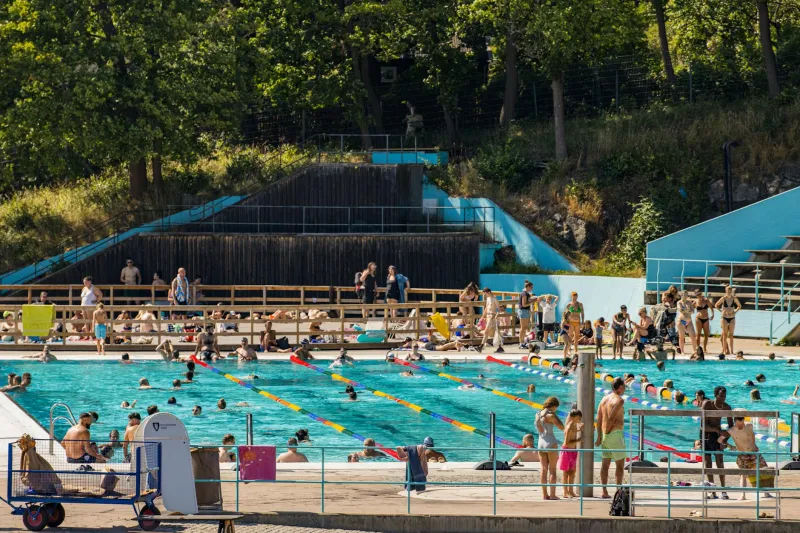
The typical public pool served everyone within walking distance. Factory workers cooled off after their shifts, teenagers learned to flirt over games of Marco Polo, and mothers found a few hours of peace while their children burned off energy in the shallow end. Swimming lessons were free, taught by high schoolers earning summer jobs as lifeguards.
Natural swimming holes served rural communities the same way. Every county had "their spot"—a bend in the river, a quarry pond, or a lake where families had been swimming for generations. These places had their own unwritten rules and local legends, passed down from older kids to younger ones like oral history.
The Slow Drain
The decline wasn't dramatic—it was death by a thousand budget cuts. Through the 1970s and 80s, maintenance costs climbed while city revenues shrank. Insurance companies began demanding higher premiums, spooked by liability lawsuits. Pool repairs that once seemed routine suddenly required environmental impact studies and permit applications.
Meanwhile, something else was happening in American backyards. The suburban boom made private pools attainable for middle-class families. Why deal with crowds and limited hours when you could have your own pristine rectangle of chlorinated water?
By the 1990s, the math was simple for cash-strapped municipalities: close the public pool and let people solve their own swimming problems. What politicians didn't calculate was how many families simply couldn't.
The New Swimming Divide
Today's swimming landscape tells a stark story about American inequality. Families with means join country clubs, install backyard pools, or pay for private lessons at aquatic centers. Everyone else makes do with overcrowded community centers or doesn't swim at all.
The statistics are sobering: drowning rates among Black and Hispanic children remain three times higher than among white children, largely because access to swimming instruction tracks closely with family income. The Red Cross estimates that 56% of Americans can't perform basic swimming skills—a number that would have shocked the generation that built a public pool in every neighborhood.
What We Lost When the Pools Closed
The disappearance of free swimming spots represents more than just recreational infrastructure. These places were democracy in chlorinated action—where the banker's kid and the bus driver's daughter learned to dive from the same board.
Former lifeguards from the 1960s remember the strange alchemy of public pools: how they transformed anonymous neighbors into familiar faces, how shared summer rituals created lasting friendships, how the simple act of cooling off together built the social fabric that held communities together.
Private pools, for all their convenience, can't replicate that magic. When swimming becomes something you do in your backyard or at an exclusive club, it stops being a shared experience and becomes just another consumer choice.
The Ripple Effects
The loss of communal swimming spots reflects broader changes in how Americans experience summer itself. Where previous generations spent July afternoons in spontaneous social mixing, today's families schedule pool time like business meetings—if they can access pools at all.
Some cities have tried to rebuild what was lost, constructing elaborate aquatic centers with water slides and lazy rivers. But these facilities often require admission fees and advance planning that the old neighborhood pools never demanded. The threshold between public and private has shifted, and not everyone can clear it.
Looking Back from the Deep End
The story of America's vanishing swimming spots isn't really about pools—it's about what happens when shared spaces become private luxuries. Every community that filled in its public pool and walked away made a choice about what kind of place it wanted to be.
Those summer afternoons at the community pool weren't just about beating the heat. They were about belonging to something bigger than your own family, your own backyard, your own economic bracket. When the lifeguard's whistle blew at closing time, everyone went home to the same neighborhood, carrying the same chlorine smell and the same memories of a day well spent.
Today's kids might have more entertainment options, but they're missing something their grandparents took for granted: the simple democracy of jumping into the same water as everyone else.