You Waited Two Weeks for a Reply and It Was Worth Every Day: The Lost World of Letter Writing
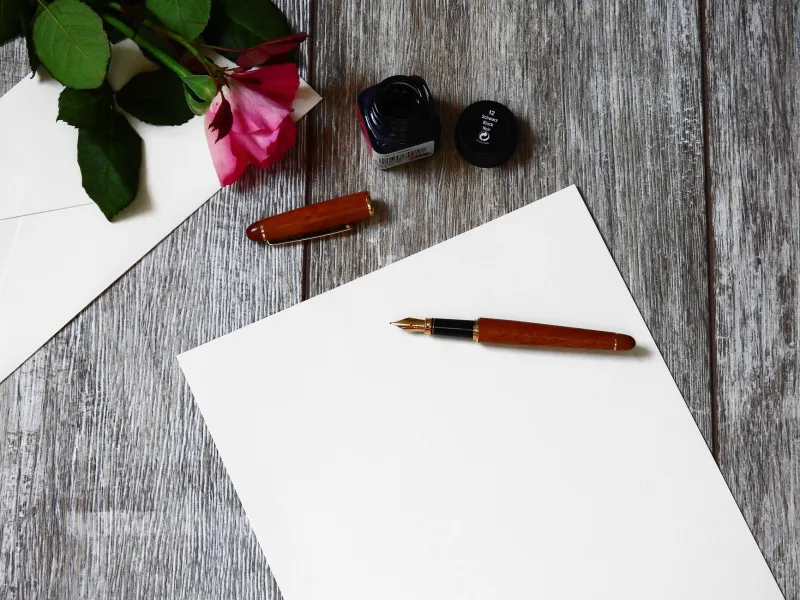
Imagine sending a message and not knowing if it arrived. Imagine composing your thoughts without a delete key, without the option to unsend, without the ability to see whether the other person had read it yet. Imagine waiting — genuinely waiting, with no tracking number, no read receipt, no ellipsis bubble — for a response that might take two weeks to come.
For most of American history, that was just called writing a letter. And somehow, people formed some of the most meaningful relationships of their lives doing exactly that.
When the Mailbox Was the Social Feed
Before email, before texting, before any of it, the mailbox was where human connection arrived. Not packages from Amazon — personal correspondence. Letters from a college roommate who'd moved to Oregon. Letters from a grandmother in another state. Letters from a pen pal in Germany or Japan or Brazil, someone you'd never met, someone you might never meet, someone who knew you in a particular and peculiar way because you'd each spent hours choosing the right words to send across an ocean.
Pen pal programs were genuinely popular in postwar America. Schools ran them. Magazines ran them. The idea was almost absurdly simple: you write to a stranger, they write back, you keep going. What made it work was the same thing that made all letter writing work — the constraints.
You had one chance per exchange. You couldn't fire off a reaction and walk it back thirty seconds later. You had to think about what you actually wanted to say. And because the other person was going to wait two weeks for your reply, you felt a kind of obligation to make it worth their wait.
The Discipline of the Blank Page
There's a reason literary scholars spend so much time with letters. The correspondence of Abraham Lincoln, of Flannery O'Connor, of soldiers writing home from the Pacific — these documents reveal interior lives with a clarity and depth that almost no other form of communication produces. Not because these people were exceptional writers, but because the format demanded something real.
A letter required you to locate yourself in time and place. It is Tuesday evening. It has been raining for three days. I have been thinking about what you said in your last letter about your father. That kind of grounding — that specificity — is almost entirely absent from modern messaging, where context collapses and everything exists in a kind of eternal, dateless present.
Letter writing also required vulnerability in a very particular form. You were committing to a position. You were saying: this is what I think, this is how I feel, and I'm willing to put it on paper and hand it to a mail carrier and let it travel across the country to someone who will hold it in their hands and read it in their own time. That act of commitment — of not being able to take it back — made people more honest, not less.
What Slowness Actually Did for a Relationship
Here's something that sounds counterintuitive until you sit with it: the delay between letters gave relationships room to breathe in a way that constant contact doesn't.
When you wrote to someone every two weeks, you were forced to distill. You couldn't share every passing thought, every minor frustration, every half-formed reaction. You had to decide what actually mattered. What did you want them to know about your life? What did you genuinely want to understand about theirs? The scarcity of communication made each exchange feel significant.
Modern messaging operates on a different logic entirely. The volume is staggering and the stakes feel low. A text thread between friends might contain hundreds of messages a week — memes, one-word reactions, voice notes, links — and yet, if you asked either person to describe what was actually communicated, they might struggle to say. The signal is buried in the noise.
This isn't a generational complaint. It's a structural observation. When communication is free and infinite, the incentive to make any individual message meaningful drops dramatically. When communication is slow and limited, every word carries more weight.
The Physical Object That Carried Feeling
There's also something that gets lost in any purely digital account of this shift: letters were objects.
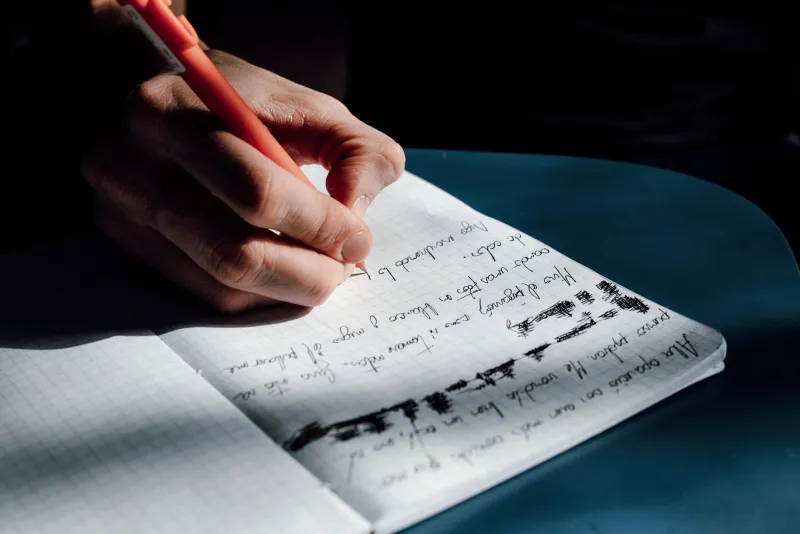
They had weight. They had the smell of someone else's house, sometimes. They had handwriting — not a font, but an actual physical record of the hand that held the pen. You could tell from the pressure whether someone had written quickly or slowly. You could see where they'd crossed something out and started again. A letter that had been folded and unfolded many times told its own story.
People kept letters. Shoeboxes full of them, tied with rubber bands, stored in closets, pulled out and reread years later. The act of rereading a letter from someone you loved — or lost — is an experience that has no real digital equivalent. Scrolling back through a text thread is not the same thing. The intimacy is different in kind, not just degree.
What We Replaced It With
This is not an argument that texting is bad or that email ruined everything. Instant communication has genuine value. Emergencies get managed. Logistics get handled. People who would otherwise lose touch stay loosely connected across distances that would have meant permanent separation in earlier eras.
But it's worth being honest about what the replacement cost.
The average American sends dozens of text messages a day. How many of those messages would they want to keep? How many contain something they actually worked to express? How many will they remember in ten years?
The letters that survive in attics and archive boxes across this country are full of ordinary people writing extraordinary things — not because they were gifted, but because the format asked something of them. It asked them to slow down. To reflect. To commit to meaning something.
Waiting two weeks for a reply sounds like a hardship now. But for the people who did it, the wait was part of the gift. It meant the reply, when it came, had been considered. Had been chosen. Had been worth the wait.
Something that arrives instantly doesn't carry that. It can't. The speed is the cost.