The Counter Where Medicine Met Malts
Walk into Murphy's Pharmacy on Elm Street in 1953, and you'd be greeted by the sound of the soda fountain's carbonation hiss and the sight of Frank Murphy in his crisp white coat, simultaneously filling prescriptions and mixing cherry Cokes. The same hands that measured your penicillin dose also knew exactly how much chocolate syrup you preferred in your milkshake.
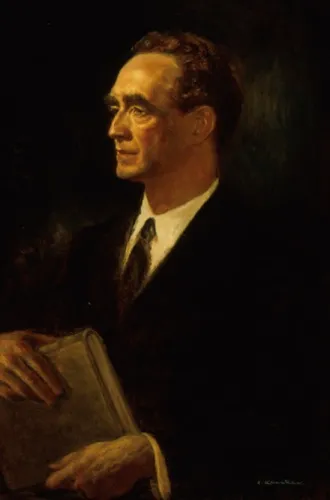 Photo: Frank Murphy, via api.oyez.org
 Photo: Elm Street, via posterspy.com
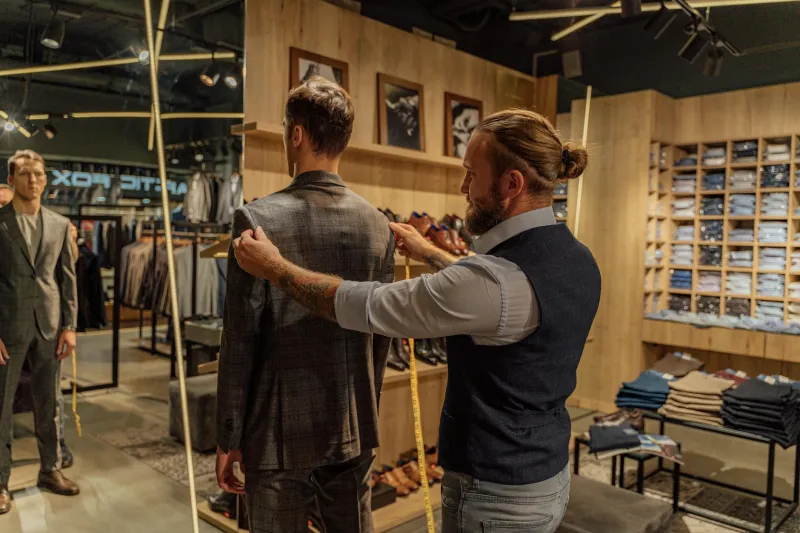
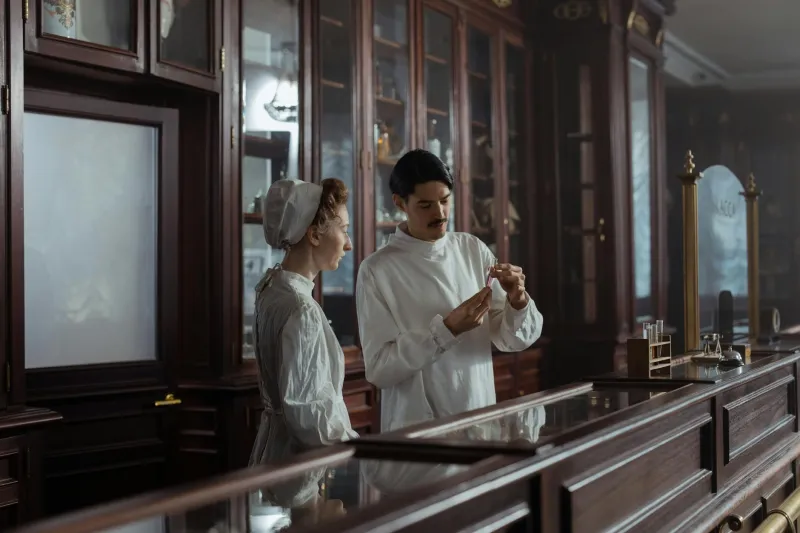
 Photo: Murphy's Pharmacy, via murphyspharmacies.com
This wasn't an odd combination—it was the American pharmacy for most of the 20th century. The soda fountain wasn't a quaint addition to the drugstore; it was often the main source of revenue that kept the pharmacy profitable.
When Your Pharmacist Was Your Health Advisor
Frank Murphy didn't just count pills and ring up sales. He was the neighborhood's unofficial medical consultant, the person you asked about that persistent cough before deciding whether to bother the doctor. He knew which customers were diabetic (no sugar in the Coke), who was allergic to aspirin (offer the willow bark alternative), and whose arthritis flared up in damp weather (have the liniment ready).
This wasn't scope creep—it was comprehensive care. Pharmacists were educated as chemists and health professionals, expected to compound medications from raw ingredients and advise customers on minor ailments. They were healthcare's first line of defense, not its final transaction point.
The Prescription Bottle With Your Life Story
When Mrs. Henderson picked up her heart medication, Frank didn't need to check a computer system. He knew she'd been taking digitalis for three years, that she sometimes forgot the evening dose, and that her daughter usually picked up refills on Tuesdays. He knew her insurance situation, her financial constraints, and whether she was likely to skip doses to make the bottle last longer.
This knowledge wasn't stored in a database—it was stored in Frank's memory, built through thousands of interactions over decades of service. He didn't just know your prescription history; he knew your prescription story.
When Consultation Came With Cherry Syrup
The soda fountain served a purpose beyond profit—it created time for conversation. While Frank mixed your ice cream soda, you had five minutes to mention that the new blood pressure medication was making you dizzy, or that your wife was worried about the side effects of your pain reliever.
These weren't formal consultations; they were natural conversations that happened while you waited for your cherry phosphate. But they often prevented medication errors, drug interactions, and unnecessary doctor visits.
Today's drive-through pharmacy window doesn't allow time for "Oh, by the way, this seems to be giving me headaches."
The Compound Pharmacy Where Everything Was Custom
Before mass-produced medications, every prescription was a custom creation. Frank Murphy mixed powders, measured tinctures, and rolled pills by hand. He adjusted concentrations for children, created liquid versions for patients who couldn't swallow pills, and combined medications when doctors prescribed multiple treatments.
This wasn't just technical skill—it was pharmaceutical craftsmanship. Pharmacists understood the chemistry of their compounds, not just the logistics of dispensing pre-made pills.
When your doctor prescribed something unusual, Frank didn't tell you it would take three days to special-order from a warehouse. He made it himself, usually while you finished your root beer float.
The Local Health Records System
Before electronic health records, Frank Murphy was your health records system. He knew what medications worked for you, what didn't, and what you'd tried in the past. He caught potential drug interactions not through computer alerts, but through personal knowledge of your complete medication history.
When you moved to a new town, you didn't transfer your pharmacy records electronically—you asked Frank to write a letter to your new pharmacist, explaining your medical situation and medication needs.
This personal continuity often meant better health outcomes than today's sophisticated but fragmented systems.
The Economics of Care vs. Volume
Murphy's Pharmacy succeeded financially through relationships, not volume. Frank's profit came from the soda fountain, the sundries, and the personal service that kept customers loyal. He didn't need to fill 200 prescriptions per hour to meet corporate quotas.
This economic model aligned his incentives with patient care. Happy customers meant repeat business, word-of-mouth referrals, and community support. Frank's financial success depended on providing excellent service, not processing maximum transactions.
When Innovation Meant Knowing Your Name
The technology at Murphy's Pharmacy was relatively simple: a cash register, a mortar and pestle, and a soda fountain machine. But the innovation was in the human systems—the personal relationships, institutional knowledge, and community integration that made healthcare more accessible and effective.
Frank knew which customers needed extra explanation about their medications, who might benefit from a generic alternative, and whose insurance situation required creative solutions. This wasn't high-tech medicine, but it was highly personalized care.
The Chain Store Revolution
The transformation began in the 1960s when chain drugstores discovered they could increase profits by eliminating soda fountains, reducing staff, and focusing purely on prescription volume. The personal relationship between pharmacist and patient became a luxury the industry decided it couldn't afford.
By the 1980s, most independent pharmacies had been absorbed by chains or driven out of business. The pharmacist became an employee rather than a business owner, focused on corporate metrics rather than community relationships.
What the Computers Can't Calculate
Today's pharmacy technology is undeniably sophisticated. Electronic prescribing reduces errors, insurance processing is automated, and drug interaction alerts prevent dangerous combinations. The average chain pharmacy fills more prescriptions in a day than Frank Murphy filled in a month.
But the computers don't know that you're going through a divorce and might forget to take your antidepressant, or that your arthritis flares up before storms and you'll need extra pain relief this week. They don't know that you're embarrassed about your condition and need extra privacy, or that financial stress might make you skip doses.
The algorithm knows your prescription history, but it doesn't know your story.
The Drive-Through Diagnosis
Modern pharmacy design prioritizes efficiency over interaction. The drive-through window, security barriers, and high-speed dispensing systems all send the same message: get your medication and move along.
The average interaction at today's pharmacy lasts less than two minutes. There's no time for questions, no opportunity for advice, and no relationship-building that might improve your health outcomes.
We've optimized for convenience and speed, but we've lost the human elements that often mattered more than the medication itself.
The Soda Fountain's Last Stand
A few old-fashioned pharmacies still maintain their soda fountains, but they're curiosities now, not integral parts of the business model. They serve tourists and nostalgia seekers, not neighborhood families who depend on the pharmacist's personal knowledge and care.
These surviving soda fountains remind us what we traded away: the time for conversation, the space for relationships, and the economic model that rewarded caring for people rather than processing prescriptions.
Frank Murphy's pharmacy wasn't just more personal than today's chains—it was often more effective at keeping people healthy and medication-compliant. Sometimes the best medicine came with a cherry on top.