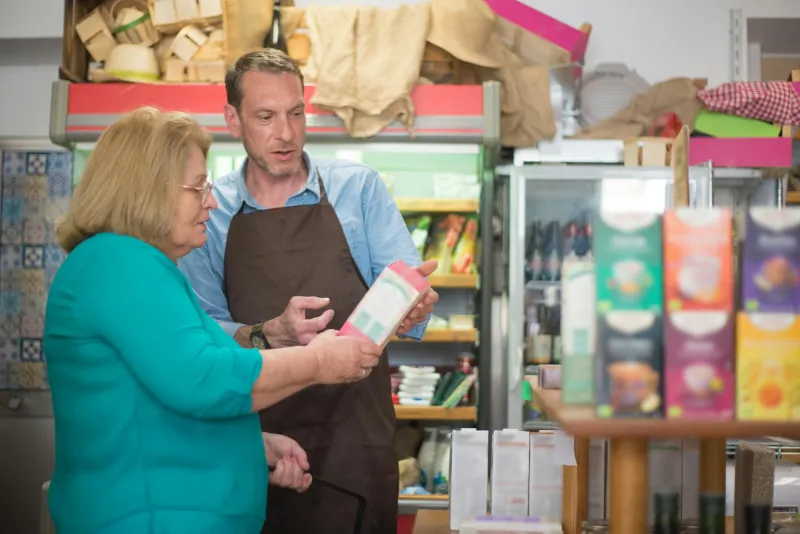
Saturday mornings in 1970s America followed a sacred script. Coffee first, then the rounds: hardware store for that bolt you needed, Murphy's butcher shop for Sunday dinner, the pharmacy for Mom's prescription, maybe the shoe repair if Dad's work boots were looking rough. Each stop meant familiar faces, remembered conversations, and the slow accumulation of relationships that turned neighborhoods into communities.
Today's families accomplish the same tasks with mouse clicks and smartphone apps, trading efficiency for the messy human connections that once made Saturday mornings feel like weekly reunions.
The Architecture of Routine
Main Street America was designed for the Saturday ritual. Small shops clustered within walking distance of residential neighborhoods, each specializing in something essential: the hardware store with its maze of bins and drawers, the butcher with his white apron and personal recommendations, the pharmacy where Mr. Peterson knew everyone's medical history by heart.
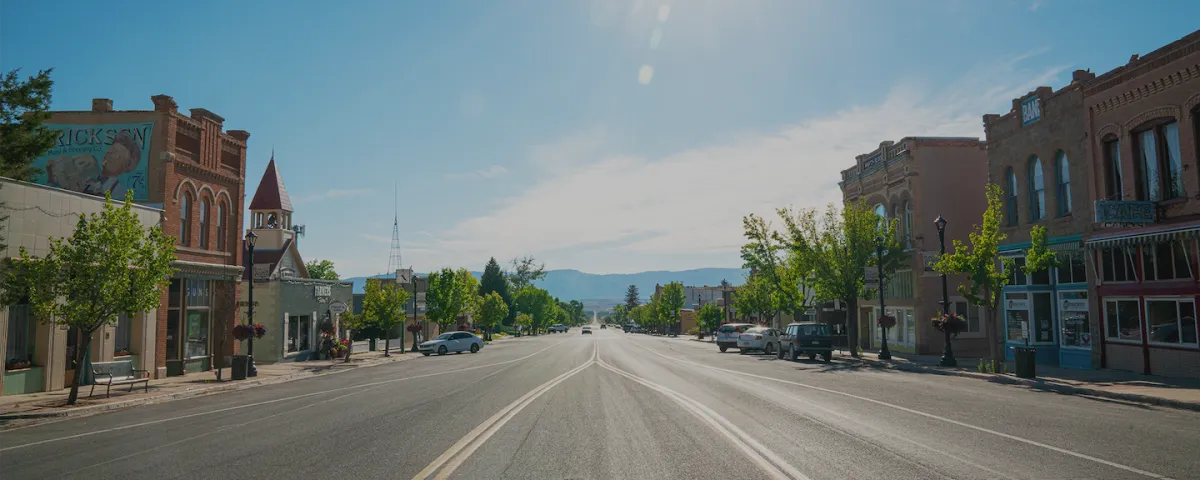 Photo: Main Street America, via business.utah.gov
These weren't just retail establishments—they were social institutions. The hardware store served as informal community center where neighbors debated local politics while hunting for the right size washer. The butcher shop functioned as neighborhood newsroom where information traveled faster than the local paper could print it.
Shopkeepers invested in relationships because their livelihoods depended on repeat customers. They remembered that Mrs. Johnson preferred her steaks cut thick, that the Kowalskis were renovating their bathroom, that young Tommy needed special shoes for his flat feet. This wasn't customer service—it was community membership.
The Choreography of Connection
The Saturday morning routine created natural opportunities for social interaction that today's shopping experience eliminates. Waiting in line at the butcher shop meant striking up conversations with neighbors you recognized but rarely talked to. Browsing the hardware store's crowded aisles led to impromptu consultations with fellow DIY enthusiasts.
These encounters seemed unremarkable at the time, but they served crucial social functions. Neighbors learned about each other's projects, problems, and personalities through casual conversation over mundane purchases. The retired teacher who helped you pick paint colors might become the person you called when your teenager needed tutoring.
Children absorbed lessons in community participation simply by accompanying parents on errands. They watched adults negotiate, ask for advice, and maintain relationships through small talk and regular presence. The weekly rounds taught social skills that no classroom could replicate.
When Expertise Had a Name
The specialized knowledge of local shopkeepers represented a form of community wealth that's largely vanished. Hardware store owners could diagnose plumbing problems from descriptions, suggest alternatives when specific parts weren't available, and recommend techniques that worked in local conditions.
Butchers understood meat in ways that modern grocery clerks cannot. They knew which cuts worked best for specific cooking methods, could custom-prepare orders for special occasions, and maintained relationships with local farms that guaranteed freshness and quality.
Pharmacists provided health advice that went far beyond dispensing pills. They tracked family medical histories, watched for dangerous drug interactions, and served as accessible healthcare consultants for common ailments.
This expertise wasn't found in employee handbooks—it was accumulated through years of practice and refined through daily customer interactions.
The Economics of Knowing
Small specialty shops thrived because they offered something mass retailers couldn't: personalized service based on genuine familiarity. Regular customers received credit when money was tight, special orders for unusual requests, and honest advice about whether expensive purchases were really necessary.
The economic relationship was more nuanced than simple transactions. Shopkeepers invested time in understanding customer needs because satisfied customers became loyal advocates who brought in new business through personal recommendations.
This model worked when communities were stable and transportation was limited. Most families shopped within a few miles of home, creating customer bases that sustained specialized businesses and justified the personal attention they provided.
The Big Box Revolution
The transformation began gradually in the 1980s as big-box retailers offered convenience and lower prices that small shops couldn't match. Home Depot and Lowe's provided vast selection and consistent availability, while supermarket chains consolidated butcher shops, pharmacies, and other specialties under one roof.
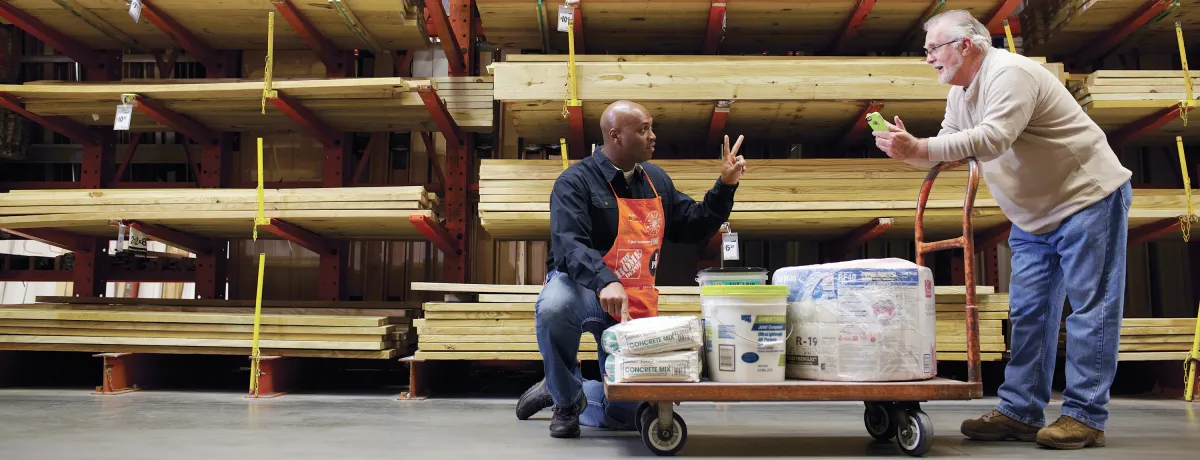 Photo: Home Depot, via corporate.homedepot.com
The efficiency was undeniable. Why visit five different stores when Walmart could handle everything in one trip? Why pay premium prices for personal service when brand-name products were available cheaper at national chains?
But something was lost in translation. The teenage cashier at Home Depot couldn't replicate the expertise of the hardware store owner who'd been solving local problems for decades. The pre-packaged meat at the supermarket eliminated the relationship with butchers who knew your family's preferences.
Digital Displacement
Online shopping completed the transformation that big-box stores began. Amazon's vast inventory and two-day delivery made even the largest physical stores seem limited and inconvenient. Why drive anywhere when everything could arrive at your doorstep?
The pandemic accelerated trends that were already reshaping retail. Families discovered they could manage most household needs through apps and delivery services, making the Saturday morning errand run feel antiquated and inefficient.
Modern shopping is undeniably more convenient, but it's also profoundly isolating. The algorithms that predict purchasing preferences can't replicate the serendipitous conversations that once turned errands into social events.
What Convenience Cost
The death of the Saturday errand ritual represents more than retail evolution—it reflects fundamental changes in how Americans build and maintain community connections. The weak ties formed through regular, brief interactions with local shopkeepers once served as social infrastructure that held neighborhoods together.
These relationships provided more than commercial transactions. They created networks of mutual recognition and informal support that helped communities weather crises and celebrate successes. When everyone knew the local pharmacist, word traveled quickly about families facing medical emergencies. When the hardware store owner lived in the neighborhood, he had personal investment in community problems.
The Search for Substitutes
Some communities have tried to recreate the social functions of traditional shopping through farmers markets, community festivals, and neighborhood associations. These efforts acknowledge what was lost but struggle to replicate the natural, recurring interactions that made Saturday errands so effective at building relationships.
The challenge is structural: modern life offers few requirements for regular face-to-face interaction with the same group of people. Without the necessity that once drove weekly shopping routines, community building becomes optional—and optional activities compete with countless other demands on time and attention.
Lessons from the Checkout Counter
The transformation of American shopping reveals how easily social institutions can disappear when economic incentives shift. The personal relationships that once seemed permanent were actually fragile, dependent on circumstances that changed faster than anyone anticipated.
Perhaps the most sobering lesson is how quickly we adapted to isolation. The convenience of modern shopping made the old way seem quaint rather than valuable, suggesting that we may not fully understand what we've lost until it's impossible to recover.
The Saturday morning errand run wasn't just about getting things done—it was about being part of something larger than individual households. In trading that experience for efficiency, we may have gained convenience but lost community.