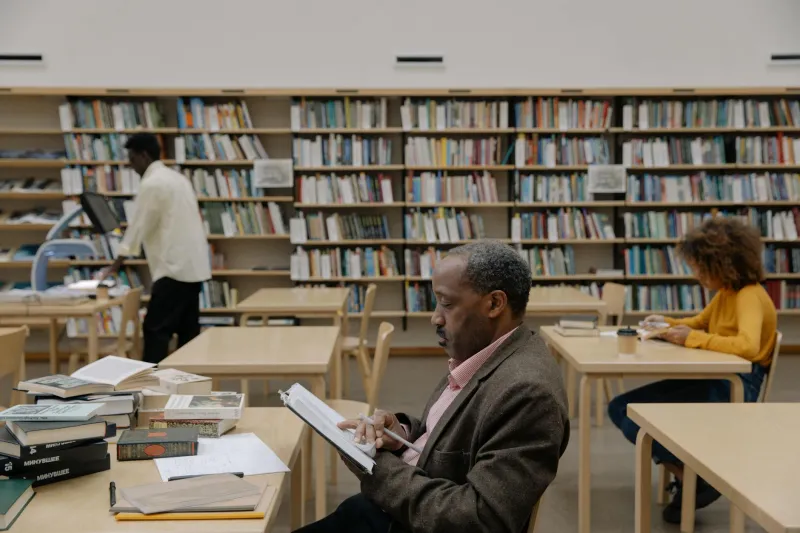
Walk into any office building at 12:30 PM today, and you'll see a peculiar sight: rows of people hunched over keyboards, mechanically chewing sandwiches while their eyes stay glued to screens. Crumbs fall between the keys. Coffee rings stain important documents. The modern American lunch "break" has become another form of multitasking—fuel consumption disguised as a meal.
It wasn't always this way. For most of the 20th century, lunch was a sacred pause in the American workday, a genuine intermission that separated morning from afternoon as distinctly as night from day.
The Counter Culture Revolution
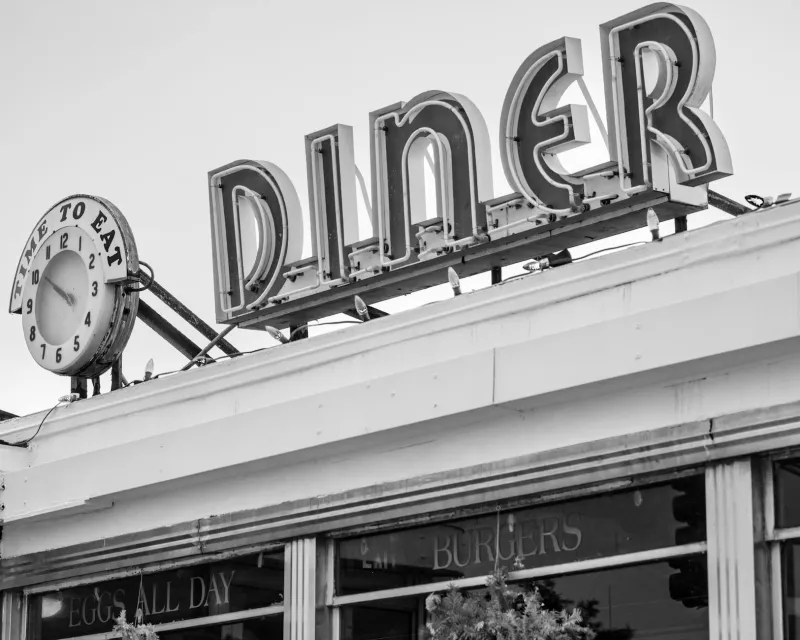
In 1955, if you worked in downtown Chicago or Detroit or any American city, lunch meant one thing: you left your desk. The lunch counter at the local diner wasn't just a place to eat—it was democracy in action. The bank manager sat next to the factory worker, the secretary shared conversation with the shop owner. Everyone faced the same direction, looking at the same person flipping burgers on the grill behind the counter.
These weren't quick pit stops. The standard lunch hour lasted exactly that—an hour. Sometimes longer. Workers understood that the midday meal served multiple purposes: nutrition, yes, but also social connection, mental reset, and a chance to process the morning's work before tackling the afternoon.
The ritual had rules. You sat down. You ordered from a person, not a screen. You waited for your food to be prepared fresh. You ate with utensils, even if it was just a burger and fries. You talked to whoever happened to be sitting next to you. You paid in cash and left a tip.
The Economics of Eating Right
Here's what might surprise you: that sit-down lunch was often cheaper than today's grab-and-go options. A full meal at a lunch counter in 1960—soup, sandwich, coffee, and pie—cost about 85 cents. That's roughly $8.50 in today's money. Try getting a comparable meal from a food truck or chain restaurant for under ten dollars.
More importantly, that lunch was designed to sustain you. Diners served real portions of actual food: thick-cut roast beef, hand-formed hamburger patties, soups simmered for hours. The goal wasn't convenience or speed—it was satisfaction. Workers returned to their desks genuinely refreshed, not just temporarily filled.
Companies understood this too. Many provided full lunch hours because they recognized that well-fed, socially connected employees were more productive. The afternoon energy crash that plagues modern offices was virtually unknown when people ate substantial, unhurried midday meals.
The Great Acceleration
The shift began in the 1980s with a perfect storm of cultural changes. Personal computers arrived on desks just as corporate culture began prioritizing productivity metrics over worker wellbeing. The lunch hour started shrinking—first to 45 minutes, then 30, then whatever you could squeeze between meetings.
Food evolved to match the pace. Vending machines replaced lunch counters. Microwave meals replaced fresh cooking. The very language changed: we stopped "having lunch" and started "grabbing a bite." The meal became a transaction, optimized for speed rather than nourishment.
By the 2000s, eating at your desk had transformed from an occasional necessity into a badge of honor. The "working lunch" became standard practice. Taking a full hour away from your workstation seemed almost irresponsible, a sign that you weren't committed enough to the job.
What We Lost in Translation
The disappearance of the proper lunch hour cost us more than just better digestion. Those midday conversations at lunch counters served as informal networking, community building, and news sharing. Ideas crossed social and professional boundaries. Problems got solved over coffee refills.
We also lost the psychological benefits of a genuine break. Modern research confirms what our grandparents knew intuitively: stepping away from work completely, even for 30 minutes, dramatically improves afternoon focus and creativity. The brain needs downtime to process information and generate insights.
Physically, we're paying the price too. Eating while distracted—checking emails, attending virtual meetings, reviewing documents—disrupts proper digestion and appetite regulation. We consume more calories but feel less satisfied. The stress hormones that accompany multitasking interfere with nutrient absorption.
The Road Back
Some companies are rediscovering the wisdom of the lunch hour. Tech firms install cafeterias that encourage lingering. European-style businesses mandate real lunch breaks. A few progressive offices even ban eating at desks during designated meal times.
But the infrastructure that supported the old lunch culture has largely disappeared. Most downtown lunch counters closed decades ago, replaced by fast-casual chains optimized for speed. The social expectation that workers deserve an uninterrupted hour for meals has eroded.
Tasting the Difference
The transformation of American lunch habits reveals something profound about how we've reorganized our relationship with work, food, and each other. We've gained efficiency but lost community. We've saved time but sacrificed satisfaction. We've optimized productivity but forgotten that humans aren't machines that run on fuel alone.
That 1955 lunch counter regular would be baffled by our current eating habits—not just the food, but the isolation, the hurry, the assumption that meals should be squeezed around work rather than the other way around. They might wonder if we've forgotten that sometimes the most productive thing you can do is simply stop working and remember what it feels like to be human.