The $2 Ticket Era
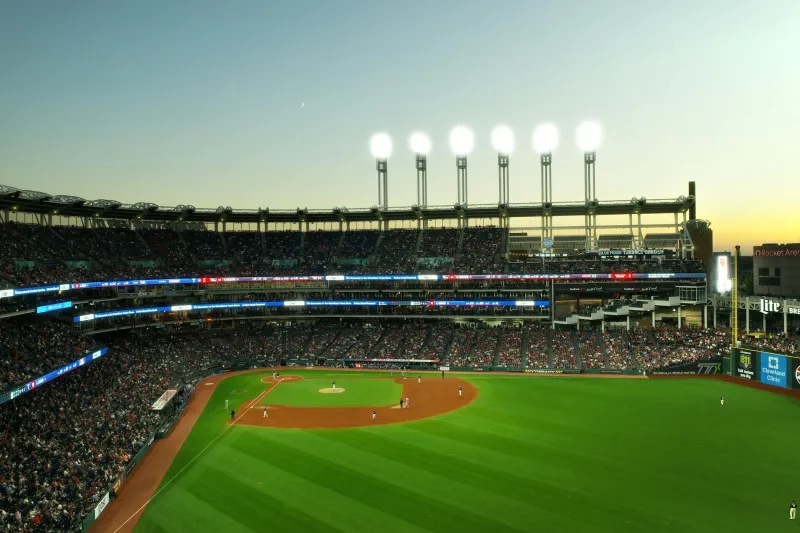
In 1973, you could buy a general admission seat at Yankee Stadium for $2. Adjusted for inflation, that's about $13 today. But here's the thing—actual Yankees tickets now start around $25 for the worst seats in the house, and that's before you factor in the $40 parking, $12 beers, and $8 hot dogs.
Back then, baseball wasn't a premium entertainment experience—it was just Tuesday night. Families didn't plan elaborate outings or save up for months. Dad would get home from work, check the weather, and announce they were heading to the ballpark. The spontaneity was half the fun.
Season tickets weren't investment vehicles or corporate perks. They were something a plumber or teacher could afford, splitting the cost with neighbors or coworkers. The best seats in the house might run you $6, which felt expensive but wasn't prohibitive for special occasions.
When Stadiums Served Communities
Those old ballparks reflected their working-class audience. Concession prices stayed reasonable because team owners understood their customers' budgets. A hot dog cost maybe 50 cents when you could buy a whole pack at the grocery store for 89 cents. Beer prices tracked closely with what you'd pay at the local tavern.
Parking was often free or minimal—maybe 50 cents for spots right outside the stadium. Many fans took public transit anyway, since most ballparks were built in urban neighborhoods where people actually lived and worked.
The stadiums themselves were functional rather than luxurious. Concrete and steel, built to last, with sight lines designed for watching baseball rather than entertaining corporate clients. Wrigley Field's bleachers were actual bleachers—metal benches where you brought your own cushion and made friends with whoever sat next to you.
The Premium Experience Revolution
Something fundamental shifted in the 1990s. Owners realized they could charge more if they repositioned baseball from affordable entertainment to premium experience. New stadiums became entertainment complexes with restaurants, shops, and luxury suites that cost more per game than most people earned in a week.
Dynamic pricing arrived, meaning ticket costs fluctuate based on demand like airline seats. That $25 ticket might jump to $75 for a weekend game against a rival, or $150 if the team's in playoff contention. Fans can no longer count on consistent pricing or plan spontaneous outings.
Concession prices exploded beyond any reasonable markup. That $12 beer represents a 1000% markup over retail—a ratio that would have seemed absurd to fans in 1973. Teams justify these prices by pointing to "premium" ingredients or craft selections, but they're really just maximizing revenue from a captive audience.
The Corporate Client Economy
Modern stadiums prioritize corporate entertainment over individual fans. Luxury suites, club levels, and premium seating sections cater to business clients who expense their tickets. These buyers aren't price-sensitive, so teams have little incentive to keep costs reasonable for everyone else.
Season ticket packages now require personal seat licenses—essentially paying thousands of dollars for the right to buy tickets. This system prices out casual fans entirely, ensuring that the most committed supporters are either wealthy or willing to go into debt for their hobby.
The result is a different crowd than you'd find in 1973. Corporate groups, affluent families making rare special-occasion visits, and die-hard fans who've made significant financial sacrifices. Missing are the regular working families who once formed the backbone of baseball attendance.
What the Numbers Really Tell Us
In 1973, the median American household earned about $9,700. Those $2 tickets represented 0.02% of annual income. Today's median household income is roughly $70,000, but even cheap seats often cost 0.1% or more of annual earnings—five times the relative burden.
For a family of four, attending a game in 1973 might cost $15 total—tickets, parking, and snacks included. That same family today faces bills of $200-400 for a comparable experience, representing a real increase of 500-800% beyond inflation.
These aren't just numbers—they represent millions of American families who've been priced out of a tradition their grandparents took for granted.
The Community We Lost
Baseball's transformation mirrors broader changes in American entertainment and community life. What was once accessible to all economic classes has become segregated by income level. The shared cultural experience of "going to the ballgame" increasingly applies only to those who can afford premium pricing.
Young fans miss out on the casual, repeated exposure that once created lifelong loyalty. When attending games requires major financial planning, children don't develop the deep connection with teams and players that previous generations enjoyed.
The Price of Progress
Modern stadiums offer undeniable improvements—better sight lines, more comfortable seating, superior food options, and high-tech amenities that enhance the viewing experience. Players are better athletes competing at higher levels than ever before.
But these improvements came with a trade-off that wasn't clearly explained at the time. In making baseball a premium product, teams transformed it from a regular community gathering into an occasional luxury purchase.
The question isn't whether today's game is better—it probably is. The question is whether it's still America's pastime when most Americans can't afford to participate.