The Handshake Economy
Walk into any bank in 1965, and chances are the manager knew your father's name. Not because they'd looked it up in a computer system, but because your dad had been coming to the same branch every Friday to deposit his paycheck for the past decade. When you needed your first car loan at eighteen, that manager didn't pull up your credit score—they remembered watching you mow lawns all summer and knew you'd make good on your word.
This wasn't small-town nostalgia. Even in major cities like Chicago or Philadelphia, neighborhood banks operated on relationships. Branch managers had real authority to approve loans based on character assessments. They knew which customers always paid early, which ones needed a gentle reminder, and which families were going through rough patches but would bounce back.
When Banking Meant Conversation
Opening a checking account required a conversation, not a smartphone app. You'd sit down with a banker who would explain the terms, maybe offer advice about saving strategies, and often remember your preferences for future visits. Need to cash a check without ID? No problem—they recognized your face.
These relationships ran both ways. Customers felt loyalty to their banks because their banks had invested in knowing them. Switching institutions meant starting over with strangers, so people rarely did it. Banks competed on service and relationships rather than promotional interest rates that would disappear after six months.
The physical branches reflected this philosophy. Marble counters, wooden furniture, and offices with actual doors created an atmosphere of permanence and trust. Banking felt serious, personal, and built to last.
The Algorithm Takes Over
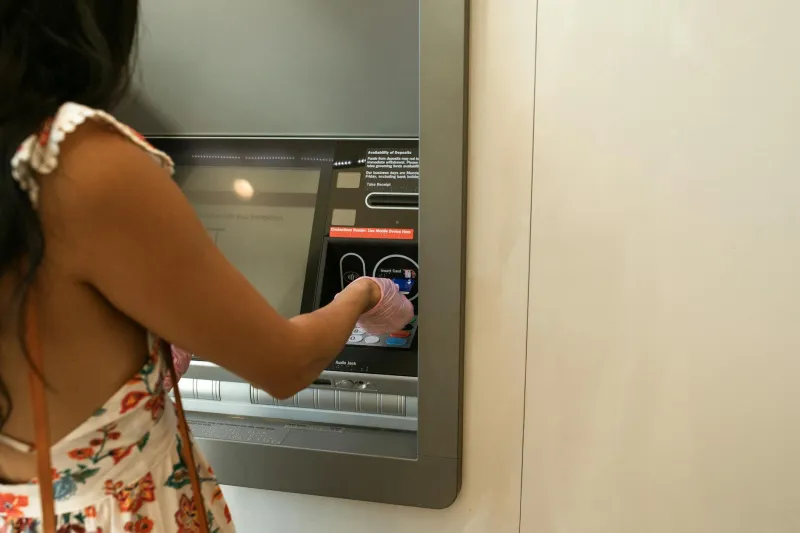
Today's banking experience would mystify that 1965 customer. Applications get approved or denied in minutes based on credit scores, debt-to-income ratios, and automated risk assessments. No human reviews your character or considers your potential. The algorithm doesn't care that you've never missed a payment to anyone, ever—if your credit history is thin, you're a risk.
This shift brought undeniable improvements. Loan decisions became more consistent and less prone to the bias that sometimes influenced those personal relationships. A qualified borrower in any zip code now has the same access to credit. Processing times dropped from weeks to minutes. Banking became available 24/7 through apps that can do things no 1965 teller could imagine.
But something essential disappeared in the translation.
What We Traded Away
Modern banking eliminated the human element that once made financial institutions feel like community partners rather than faceless corporations. Today's bank employees are often contractors or part-time workers with little authority and high turnover. They can't approve anything meaningful, can't make exceptions for good customers, and rarely stay long enough to recognize regular faces.
The local branch manager who once had discretion to help a longtime customer through temporary hardship has been replaced by rigid policies and call center representatives reading from scripts. Banks now maximize efficiency and minimize risk, but they've lost the ability to see customers as individuals with unique circumstances and histories.
The Human Cost of Efficiency
Consider what happens when automated systems make mistakes—and they do, frequently. In 1965, you'd walk into your branch and explain the situation to someone who knew your account history. They'd fix it immediately, often with an apology and assurance it wouldn't happen again.
Today, resolving bank errors can require hours on hold, multiple transfers between departments, and representatives who have no context for your situation beyond what appears on their screen. Each person you speak with starts from zero, asking for the same information and providing the same scripted responses.
The efficiency gains are real, but they've come at the cost of resilience and human connection. When everything works perfectly, modern banking is superior. When something goes wrong, the old system's emphasis on relationships and local authority looks pretty appealing.
Looking Back Through the Lens
American banking's transformation reflects broader changes in how we balance efficiency with humanity. We've gained speed, consistency, and access, but lost the personal touch that once made financial institutions feel like neighbors rather than algorithms.
The 1965 banking experience wasn't perfect—it could be slow, inconsistent, and sometimes unfairly influenced by personal relationships. But it treated customers as individuals with stories, not just data points in a risk assessment model.
Today's banking serves more people more efficiently than ever before. Whether it serves them better is a different question entirely.