
The Banker Who Knew Your Father
In 1955, Joe Martinez walked into First National Bank of Bakersfield with nothing but a handshake and a story. He wanted to open a tire shop on the edge of town, where the new subdivision was going up. The bank president, Harold Wilson, had watched Joe work at the Texaco station for eight years. He knew Joe's wife made the best tamales at the church fundraiser and that Joe had never missed a payment on his Ford pickup.
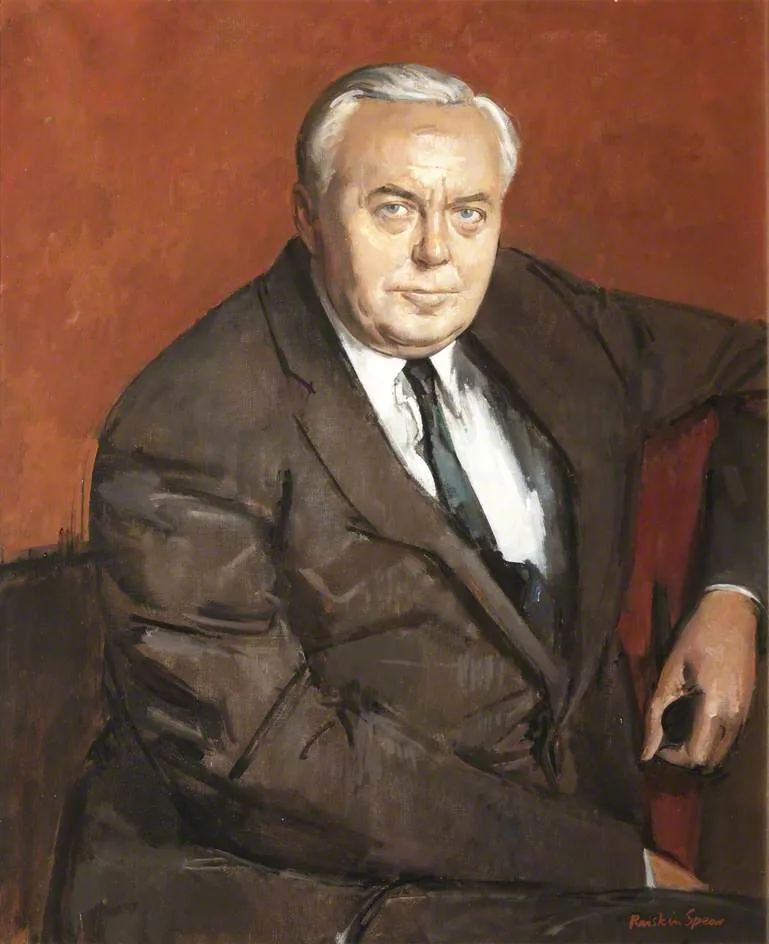 Photo: Harold Wilson, via d3d00swyhr67nd.cloudfront.net
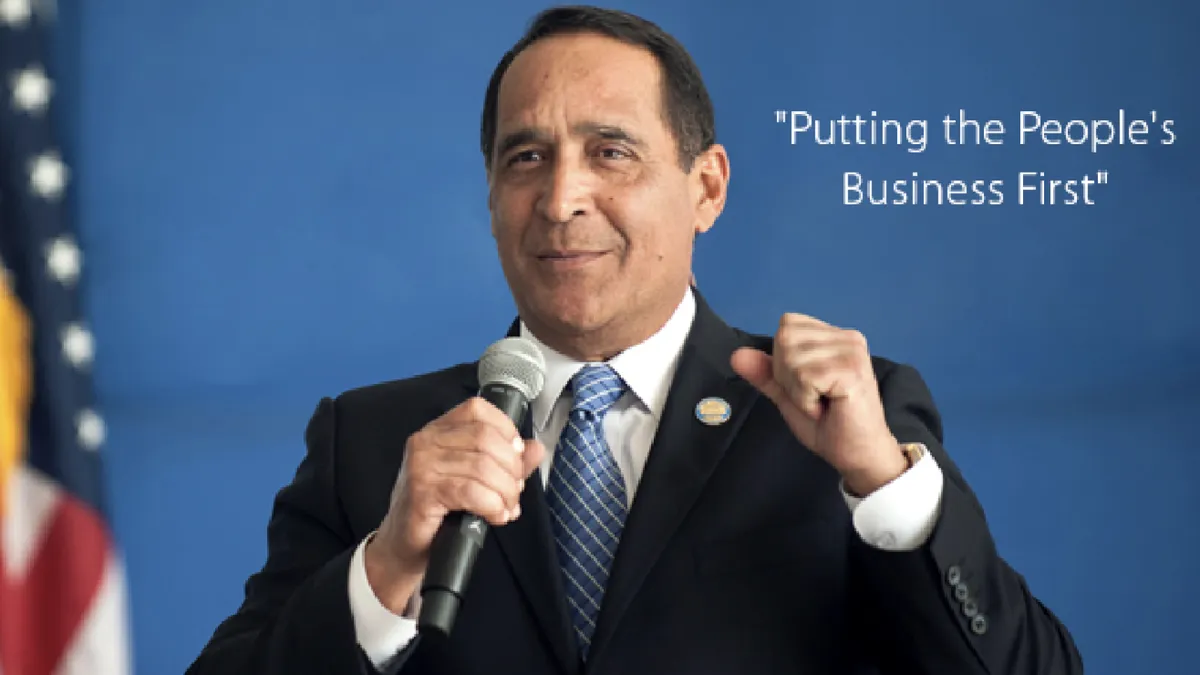 Photo: Joe Martinez, via images.axios.com
 Photo: First National Bank of Bakersfield, via www.bankbranchlocator.com
Twenty minutes later, Joe walked out with a $3,000 loan and the keys to his American Dream.
Try that today, and you'll be directed to an online portal before you finish saying "small business loan."
When Character Was Collateral
Mid-century America ran its business financing on something that seems almost quaint today: personal relationships. Bank presidents lived in the same neighborhoods as their customers. They saw you at the grocery store, knew your kids from Little League, and understood your business because they drove past it every day.
This wasn't just small-town charm—it was a fundamentally different approach to risk assessment. Instead of algorithms analyzing your debt-to-income ratio, you had Harold Wilson remembering that your father paid off his farm loan two years early, even during the drought of '48.
The local banker didn't need a credit bureau report to know you were good for the money. He had something better: context.
The Application That Fit on One Page
The paperwork for Joe's tire shop loan would fit in a manila folder. Today's equivalent requires a three-ring binder.
Modern small business loan applications demand tax returns, profit and loss statements, balance sheets, cash flow projections, personal financial statements, business plans with market analysis, and collateral documentation. The average SBA loan application runs 15-20 pages before you even start the supporting documents.
In 1955, Joe filled out a single form that asked for basic information: name, address, amount requested, purpose of the loan, and how he planned to pay it back. The real evaluation happened during that conversation with Harold Wilson.
The Human Algorithm
Harold Wilson's decision-making process was sophisticated, just not automated. He considered factors that no computer program captures: How does this person treat their employees? Do they show up when they say they will? Have they contributed to the community? Are they the type to stick around when times get tough?
This "soft" information often mattered more than the hard numbers. Wilson had seen plenty of businesses with perfect books fail because the owner couldn't handle adversity, and plenty of undercapitalized ventures succeed because the entrepreneur had grit and community support.
Today's algorithms are incredibly precise at measuring what can be quantified, but they're blind to the human elements that often determine business success.
Who Gets to Dream
The shift from relationship-based to data-driven lending changed more than just the paperwork—it changed who gets to start a business in America.
In Harold Wilson's day, the baker's daughter who wanted to open a flower shop had a real shot if her family was respected in the community. The immigrant who'd been saving money for five years to start a restaurant could make his case in person, even if his English wasn't perfect.
Today's system favors those who understand how to optimize for algorithmic approval: people with existing business experience, formal education, and the financial literacy to navigate complex application processes. It's more fair in some ways—less subject to personal bias or favoritism—but it's also less accessible to the kinds of entrepreneurs who built Main Street America.
The Price of Efficiency
Modern lending is undeniably more efficient. Banks can process thousands of applications through automated underwriting systems, making credit available to more people than ever before. Interest rates are more competitive, and the approval process, while paperwork-heavy, is often faster than waiting for Harold Wilson to return from his fishing trip.
But efficiency came with a cost. The local bank president who could greenlight a $50,000 loan based on his personal knowledge has been replaced by regional managers following corporate guidelines written in distant headquarters.
When Algorithms Don't Know the Neighborhood
The computer analyzing your loan application doesn't know that the empty lot next to your proposed coffee shop is about to become a 200-unit apartment complex. It doesn't understand that your town's biggest employer just announced a expansion, or that the new highway exit will triple traffic past your location.
Harold Wilson knew these things because he lived there. His investment decisions were informed by insider knowledge—not the illegal kind, but the deep community understanding that comes from having roots in a place.
Today's loan officers might work for a bank headquartered three states away. They're smart, well-trained professionals, but they're evaluating your local business opportunity through spreadsheets and satellite imagery.
The Handshake Economy
Joe Martinez's tire shop succeeded, by the way. He ran it for thirty-seven years before selling it to his son-in-law. The relationship with First National Bank lasted just as long—through expansions, recessions, and the occasional late payment during tough months.
That kind of continuity is rare today. Banks merge, loan portfolios get sold, and your business relationship becomes a account number in a database. The institutional memory that remembered your father's character and your family's history disappears in the next corporate reorganization.
What We Gained and Lost
Today's small business financing is more sophisticated, more regulated, and arguably more fair than the handshake deals of the 1950s. Credit scoring has reduced discrimination, and standardized processes have made lending more predictable.
But something was lost in translation. The local banker who could take a chance on character and potential has been replaced by risk models that optimize for statistical outcomes. We gained efficiency and scale, but we lost the human judgment that could see opportunity where the spreadsheet saw only risk.
Joe Martinez probably couldn't get his tire shop loan today—not because he wouldn't succeed, but because his story wouldn't fit neatly into the algorithm.