In 1952, when Robert Martinez bought his first dress shirt for his new job at the Ford plant in Detroit, he paid $8.50—nearly a full day's wages. That shirt, with its reinforced collar and double-stitched seams, would outlast three different jobs, two car purchases, and eventually get passed down to his son. Today, you can buy five shirts for the same relative cost, but none of them will survive a single promotion.
This isn't just a story about inflation or manufacturing—it's about a fundamental shift in how Americans think about value, ownership, and the very meaning of clothing itself.
The Investment Era
Mid-century Americans approached clothing like they approached houses: as long-term investments that required careful consideration and substantial upfront costs. A quality wool coat represented months of saving. A good pair of shoes cost more than most people spent on entertainment in an entire year. But these weren't seen as expensive purchases—they were seen as sensible ones.
The average American in 1950 owned seven complete outfits. Seven. Total. Not seven shirts or seven pairs of pants—seven full combinations of clothing suitable for leaving the house. Each piece was selected carefully, maintained religiously, and worn until it literally fell apart.
Men owned two suits: one for work, one for church and special occasions. Women had similar restraint—a few dresses for different seasons and situations, carefully coordinated accessories that worked with multiple outfits. Children wore hand-me-downs without shame because quality clothing was expected to serve multiple generations.
The Craft Behind the Cloth
What made this possible was construction that seems almost mythical today. Shirts came with extra buttons sewn inside the seam—not one spare, but four or five. Coat linings were replaceable. Pants included fabric for letting out seams as bodies changed. Shoes were resoled so routinely that most neighborhoods had at least one cobbler.
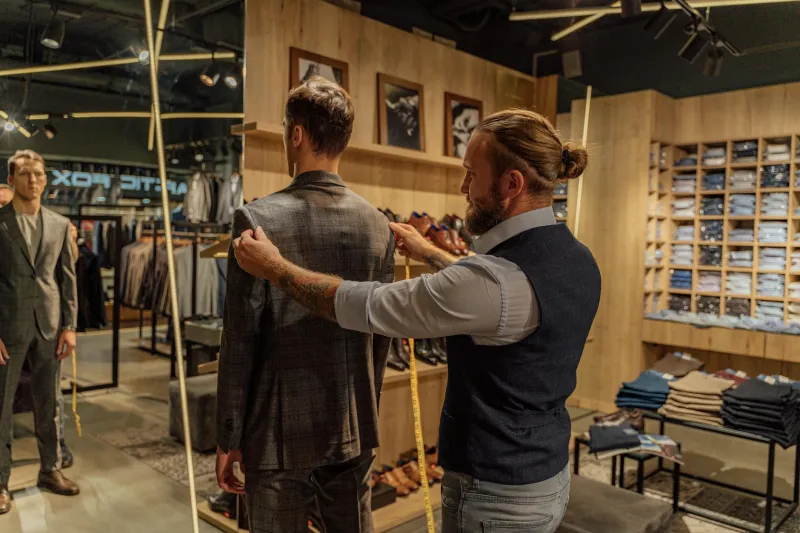
American textile workers took pride in durability. Seamstresses reinforced stress points with extra stitching. Fabric mills wove cloth dense enough to withstand years of washing and wear. Department stores offered alteration services not as an upcharge, but as standard practice—because clothes were expected to be modified and maintained throughout their long lives.
The supply chain supported longevity too. Cotton came from American farms, was processed in American mills, and sewn in American factories by workers who understood they were creating products meant to last. Quality control meant something different when a defective shirt might be returned five years after purchase with a legitimate complaint about premature wear.
The Economics of Endurance
Here's the paradox that defined mid-century clothing economics: expensive upfront costs created long-term savings. That $8.50 shirt, worn twice a week for fifteen years, cost less per wear than a modern $15 shirt that pills after six months.
Families budgeted for clothing annually, not seasonally. They saved for major purchases—a winter coat, a wedding dress, a graduation suit—the way modern families save for vacations or electronics. The concept of "updating your wardrobe" meant replacing worn-out items, not chasing fashion trends.
This created a different relationship with money itself. Americans learned delayed gratification through clothing purchases. They understood quality versus price. They developed the ability to distinguish between marketing and value—skills that seem almost extinct in today's consumer culture.
The Maintenance Culture
Every American household was equipped for clothing maintenance in ways that would seem obsessive today. Sewing kits weren't craft supplies—they were essential household tools, like screwdrivers or can openers. Mothers taught daughters (and increasingly, sons) to darn socks, patch elbows, and replace buttons.
Ironing was a weekly ritual, not a special occasion activity. Clothes were hung properly, stored with care, and rotated seasonally. Stain removal was a practiced skill. Dry cleaning was reserved for truly special garments—most clothes were designed to withstand home washing and careful pressing.
This maintenance culture extended beyond individual households. Neighborhoods supported networks of seamstresses, tailors, and specialty repair services. Having clothes altered was normal, not extravagant. Keeping good clothing in good condition was considered a mark of respectability and good sense.
The Great Acceleration
The transformation began in the 1960s with synthetic fabrics and overseas manufacturing, but the real revolution happened in the 1990s when "fast fashion" arrived from Europe. Suddenly, clothing stores updated their inventory monthly instead of seasonally. Prices dropped dramatically, but so did expectations of durability.
The new model was brilliant in its simplicity: make clothes so inexpensive that replacement became easier than repair. Train consumers to expect constant change rather than lasting value. Transform clothing from investment goods into impulse purchases.
By 2000, the average American bought 68 pieces of clothing per year—nearly ten times the mid-century rate. But these weren't upgrades to existing wardrobes; they were replacements for items that had worn out, gone out of style, or simply been forgotten in overstuffed closets.
The Hidden Costs
What we gained in variety and affordability, we lost in quality and satisfaction. Modern Americans spend roughly the same percentage of income on clothing as their 1950s counterparts, but they're constantly shopping, constantly discarding, constantly unsatisfied with what they own.
The environmental cost is staggering. Americans now throw away 81 pounds of clothing per person annually. Most of these discarded clothes aren't worn out—they're just out of fashion, poorly made, or bought impulsively. The average garment is worn only seven times before disposal.
Meanwhile, the skills that once made clothing last have virtually disappeared. Most Americans can't sew on a button, let alone repair a seam or alter a hemline. We've outsourced clothing maintenance to the point where many people throw away garments over minor, easily fixable problems.
The Quality Paradox
Here's what's truly strange about the modern clothing industry: we have access to better materials and manufacturing technology than ever before, yet we produce clothes that are dramatically less durable than those made 70 years ago. This isn't an accident—it's a business model.
Fast fashion depends on planned obsolescence. Clothes are designed to fall apart, go out of style, or become unflattering after minimal wear. The goal isn't customer satisfaction; it's customer return. The industry has successfully convinced Americans that clothing should be disposable, like paper plates or plastic bags.
What We Really Lost
The shift from investment clothing to disposable fashion represents more than just changing shopping habits. We've lost the satisfaction that comes from owning well-made things that improve with age. We've lost the skills that once connected us to our material possessions. We've lost the patience required to save for quality rather than settle for convenience.
Most profoundly, we've lost the connection between cost and value. Modern consumers often can't distinguish between a $20 shirt that will last six months and a $60 shirt that will last six years—because we've been trained to expect neither to last very long.
That 1952 dress shirt represented more than just clothing—it was a promise. A promise that American manufacturing could create products worthy of investment, that careful consumers could make smart long-term decisions, and that quality would always triumph over quantity.
Today, we have more clothing options than any generation in human history, yet we're constantly shopping for more. We've optimized for choice and convenience but lost the deep satisfaction that comes from owning fewer, better things that last long enough to become part of our personal history.
The shirt that outlasted the job has been replaced by jobs that outlast dozens of shirts—and somehow, we've convinced ourselves this represents progress.