When Baseball Built Main Street: America's Minor League Towns Before Corporate Ball
The Team That Belonged to Everyone
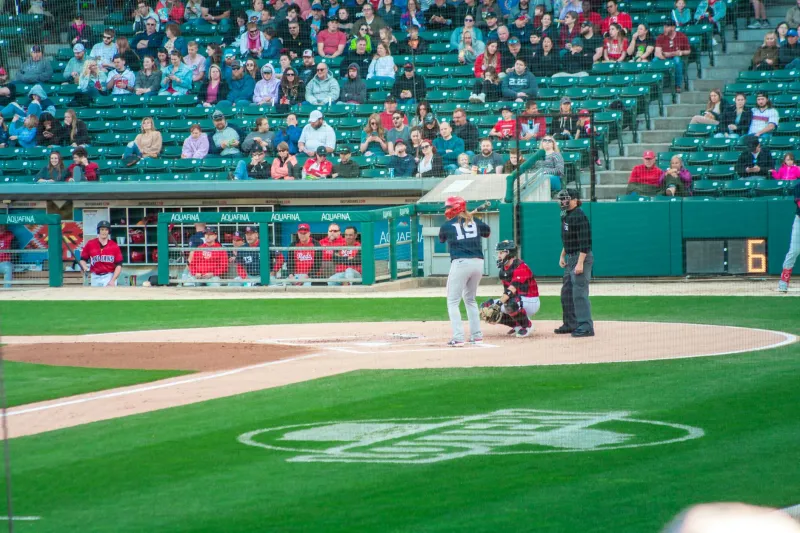
Every summer evening in Decatur, Illinois, the same ritual played out. By 5:30 PM, pickup trucks and family sedans would start arriving at Fans Field. By first pitch, three generations of the same families would be settled into seats they'd occupied for decades, watching the Decatur Commodores take on another team of young men who might be insurance salesmen or factory workers by day, but became local heroes under the lights.
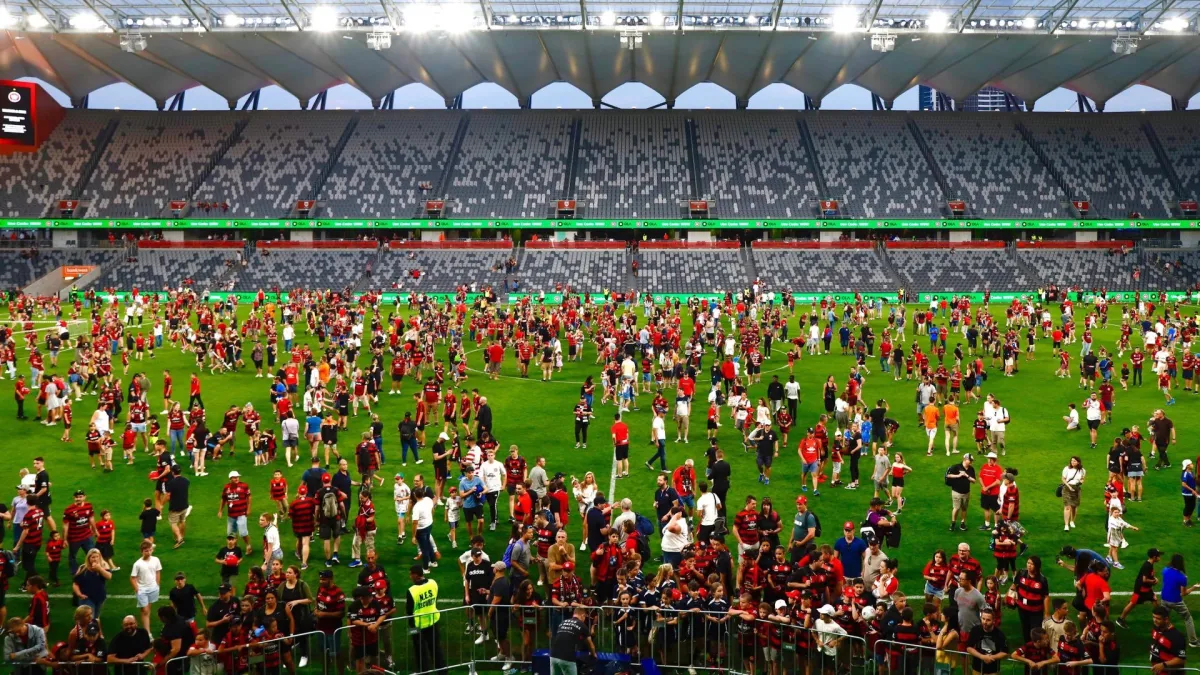 Photo: Fans Field, via wswanderersfc.com.au
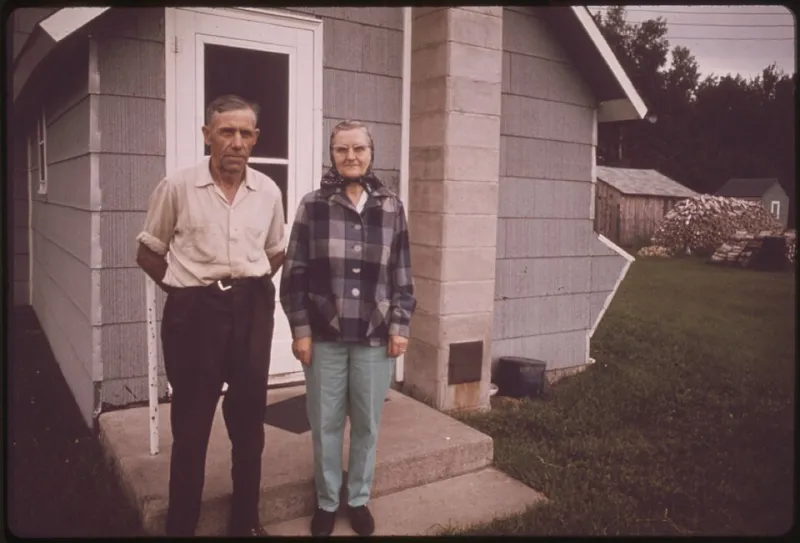
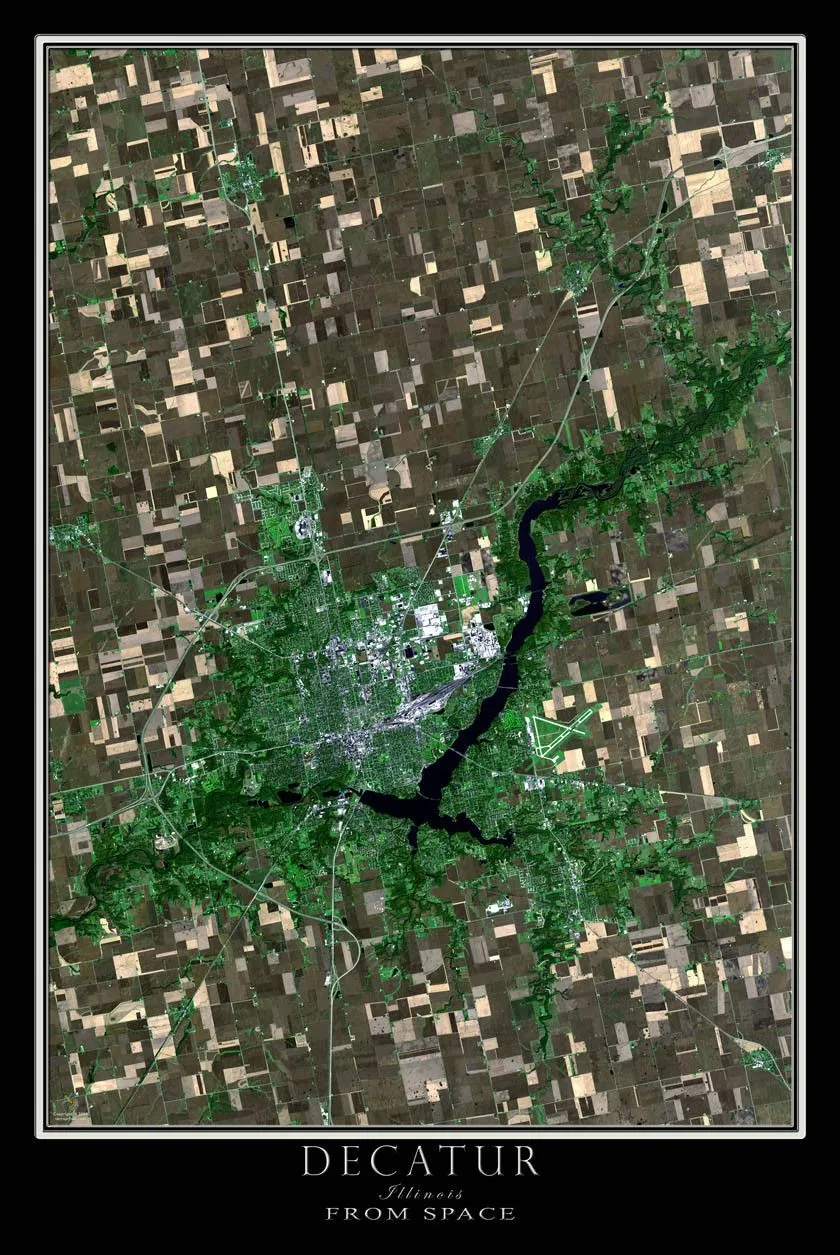 Photo: Decatur, Illinois, via i.pinimg.com
This was minor league baseball's golden age—roughly 1946 to 1990—when nearly 500 small American cities had teams that truly belonged to their communities. These weren't farm systems designed to develop major league talent; they were institutions as central to town identity as the courthouse or the main street diner.
When Players Were Neighbors
In 1965, the starting pitcher for the Burlington Bees might also be the guy who sold you insurance on Tuesday morning. The shortstop worked construction during the day, and the cleanup hitter managed the local Ford dealership. Minor league salaries were modest enough that players needed off-season employment, which meant they became genuine members of the community.
Jimmy Martinez pitched for the Stockton Ports from 1968 to 1972 while teaching high school math during the school year. Parents would approach him at the grocery store to discuss both their kid's algebra struggles and his curveball technique. When he finally hung up his cleats, he stayed in Stockton, eventually becoming principal of the same high school where he'd taught.
This integration of players into community life created bonds that extended far beyond the ballpark. Local businesses sponsored players, families invited them to Sunday dinners, and retirement meant staying in town rather than moving on to the next opportunity.
The Stadium as Town Square
Minor league ballparks in the mid-20th century served functions that went far beyond hosting baseball games. They were community gathering spaces where social barriers dissolved under shared excitement about the home team.
Fans Field in Decatur charged a dollar for general admission and three dollars for box seats. Season tickets were affordable for working families, and many purchased them not just for the baseball, but for the social connection. The same groups would gather in the same sections year after year, creating extended networks of friendship that often lasted decades.
Between innings, kids would race around the concourse while parents caught up on neighborhood news. Local businesses advertised on the outfield walls, high school bands performed, and civic organizations used games as fundraising opportunities. The ballpark became the place where the entire community came together on a regular basis.
When Winning Meant Everything to Everyone
The emotional investment in these teams ran deeper than modern sports fandom. When the Decatur Commodores made the playoffs in 1967, local businesses closed early so employees could attend games. The local newspaper ran daily coverage that rivaled major league treatment, and radio broadcaster Red Murphy became as recognizable around town as the mayor.
Losing seasons affected the entire community's mood. A struggling team meant smaller crowds, less revenue for local businesses, and a general sense that something was wrong with the town itself. Conversely, championship seasons created celebration that could last for months, with players receiving free meals and local celebrity status.
This emotional investment was possible because the teams represented genuine local identity rather than corporate branding. The Commodores weren't a development project for the Chicago Cubs—they were Decatur's team, playing for Decatur's pride.
The Corporate Transformation
Major League Baseball's consolidation of the minor leagues, which accelerated in the 1990s and culminated in the 2021 reorganization, fundamentally changed this relationship between teams and communities. What had been locally-owned institutions became corporate assets designed primarily to develop major league talent.
The new system prioritized efficiency over community connection. Teams moved frequently, chasing better facilities and more favorable lease agreements. Player development became the primary mission, with community engagement relegated to marketing initiatives. Ticket prices rose to fund facility improvements that often priced out the working families who had been the core fanbase.
By 2020, only 120 minor league teams remained affiliated with Major League Baseball, down from nearly 500 in the 1950s. Hundreds of communities lost their teams entirely, while others found their local institutions transformed into generic farm clubs with rotating rosters of players who rarely stayed long enough to learn their neighbors' names.
What Disappeared With the Lights
The loss of traditional minor league baseball represented more than just entertainment—it marked the end of a particular kind of American community institution. These teams had provided regular opportunities for diverse groups of people to gather in shared space, creating social connections that extended far beyond the ballpark.
In towns like Decatur, the end of locally-oriented minor league baseball left a void that other institutions struggled to fill. The civic pride that came from having "our team" couldn't be easily replaced by regional shopping centers or chain restaurants.
Older residents often describe the current minor league experience as fundamentally different—more professional but less personal, more efficient but less meaningful. The modern ballpark experience, with its corporate sponsors and promotional giveaways, lacks the organic community feeling that once made these teams irreplaceable parts of local identity.
The Economics of Belonging
The financial model that supported community-oriented minor league baseball couldn't survive in an era of rising costs and corporate expectations. Local ownership gave way to professional sports management, modest facilities were replaced by expensive stadiums, and affordable family entertainment became premium-priced experiences.
Today's minor league teams often struggle to maintain community connections while meeting the facility and operational standards required by Major League Baseball. The result is a system that serves the development needs of professional baseball but struggles to recreate the deep community bonds that once made these teams essential parts of American small-town life.
Looking Back Through the Lens
The era of community-centered minor league baseball represented a unique moment in American sports and culture—when professional athletics operated on a human scale that allowed for genuine local connection. These teams provided shared experiences that brought diverse communities together around common cause.
While modern minor league baseball offers higher quality play and more sophisticated entertainment, it has largely lost the intimate community connection that once made these teams irreplaceable parts of local identity. The efficiency gains of corporate organization came at the cost of the very relationships that had made minor league baseball special in the first place.
The question isn't whether we can return to that simpler era, but whether we can find new ways to create the kind of regular community gathering spaces that minor league ballparks once provided—places where neighbors become friends and local pride has room to flourish.