Grandma's Recipe Box Held More Than Ingredients: How Cooking Wisdom Became Click Bait
The Sacred Kitchen Archive
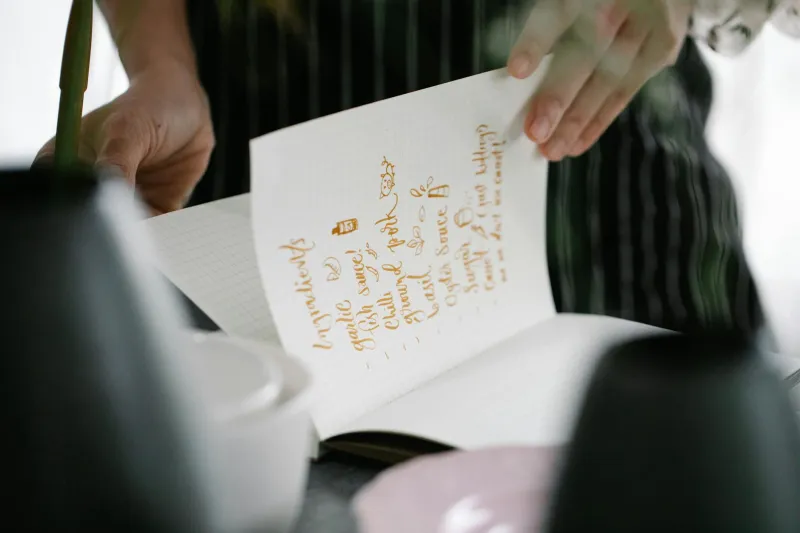
In the top drawer of nearly every American kitchen, right next to the can opener and the roll of aluminum foil, sat a small wooden box filled with index cards that told the story of a family's culinary DNA. These weren't just recipes—they were edible heirlooms, each card bearing the handwritten testimony of women who understood that feeding people was an act of love that deserved to be preserved.
Mrs. Eleanor Thompson's chocolate chip cookie recipe, written in her careful Palmer Method cursive, included crucial details that no modern food blogger would think to mention: "Add extra vanilla on rainy days," and "Tommy likes them soft—take out 2 minutes early." These weren't cooking instructions; they were love letters disguised as ingredient lists.
 Photo: Eleanor Thompson, via www.schulferien.org
Today's home cooks navigate a digital landscape where finding a simple chocolate chip cookie recipe requires scrolling past 800 words about the blogger's childhood memories, affiliate links for stand mixers, and pop-up advertisements for meal delivery services. The recipe itself—the actual information you need—gets buried like treasure at the bottom of an SEO-optimized content mine.
When Cooking Knowledge Lived in Kitchens
Before the internet democratized cooking information, culinary wisdom traveled through bloodlines and friendships. Your grandmother's apple pie recipe wasn't just a list of ingredients—it was a masterclass in technique delivered through marginalia: "Don't overwork the crust," written in fading blue ink, or "Use Granny Smith apples—the tart ones," scribbled in the margin of a flour-dusted cookbook.
These annotations represented decades of trial and error, seasonal adjustments, and family preferences accumulated through repetition. When Aunt Rose noted "needs more salt" next to her meatloaf recipe, she was sharing the wisdom of 30 years of Sunday dinners and the specific tastes of Uncle Frank, who grew up on a farm and liked his food well-seasoned.
The physical nature of these recipe collections created a different relationship with cooking knowledge. Cards got stained with vanilla extract and dusted with flour—battle scars that proved their worth. The most beloved recipes showed the most wear, their edges soft from handling, their text sometimes illegible from decades of kitchen use.
The Cookbook as Family Bible
The "Joy of Cooking" or "Better Homes and Gardens Cookbook" that anchored most American kitchens wasn't just a reference book—it was a family document. Mothers would gift copies to daughters heading off to college or getting married, often pre-annotated with family favorites and personal modifications.
 Photo: Joy of Cooking, via thefirstaidcourseperth.com.au
These cookbooks developed personalities through use. Page 247 (the lemon cake recipe) would fall open automatically because three generations had made it for every birthday. The binding would crack at the Thanksgiving turkey instructions. Loose recipe cards would fall out when you opened to the dessert section—additional family recipes that didn't appear in the original text but had earned their place through repeated success.
The marginalia in these cookbooks told stories that modern recipe websites can never capture. "Dad's favorite" written next to the pot roast recipe. "Too spicy for kids" noted beside the chili instructions. "Make double batch" scrawled across the top of the sugar cookie page. These weren't product reviews—they were family history written in shorthand.
The Algorithm Invasion
Somewhere between the rise of food blogs and the dominance of Google search, cooking knowledge transformed from personal inheritance to content marketing. The simple recipe card that once said "Cream butter and sugar until fluffy" now begins with a 500-word essay about the blogger's relationship with her grandmother, the therapeutic benefits of baking, and detailed descriptions of how the kitchen smelled during childhood holidays.
This transformation wasn't accidental. Search engine optimization rewards websites that publish longer content with more keywords. Food bloggers learned that a 50-word recipe wouldn't rank on Google, but a 1,000-word story about making that recipe might reach millions of readers—and generate advertising revenue from every click.
The result is a digital landscape where finding actual cooking instructions requires navigating through carefully crafted personal narratives designed to keep you scrolling. The recipe itself becomes secondary to the content wrapper that makes it discoverable and profitable.
The Death of Kitchen Intuition
Traditional recipe sharing relied on the assumption that cooks possessed basic kitchen intuition. When Grandma wrote "bake until golden," she expected you to understand what golden meant in the context of her oven, her altitude, and her definition of doneness. This vagueness wasn't a bug—it was a feature that encouraged cooks to develop their own judgment and adapt recipes to their specific circumstances.
Modern recipe websites attempt to eliminate all ambiguity through exhaustive detail and step-by-step photography. Every measurement is precise to the gram. Every timing is specified to the minute. Every visual cue is documented with professional photos taken under controlled lighting conditions.
This precision promises better results, but it actually creates more anxious cooks who panic when their kitchen doesn't match the professional food photography or when their oven runs slightly hot. The old recipe card system taught adaptation and improvisation. The new digital system teaches rigid adherence to instructions that may not work in your specific kitchen.
The Monetization of Meals
Today's recipe websites aren't really about sharing cooking knowledge—they're about capturing attention and converting it into revenue. Every recipe comes embedded with affiliate links for specialty ingredients, kitchen equipment recommendations, and subscription offers for meal planning services.
The innocent act of looking up a pancake recipe becomes a marketing funnel designed to sell you everything from vanilla extract to stand mixers to premium flour subscriptions. The actual cooking instructions get surrounded by so much commercial content that the recipe itself feels like an afterthought to the advertising strategy.
Family recipe cards never tried to sell you anything except the idea that cooking for people you love was worth the effort. They assumed you already owned basic kitchen equipment and could figure out where to buy flour without affiliate links and comparison shopping guides.
What We Lost in Translation
The digitization of cooking knowledge eliminated the personal relationships that made traditional recipe sharing meaningful. When your neighbor gave you her famous banana bread recipe, she was sharing more than ingredients—she was inviting you into her family's culinary tradition and expressing confidence in your ability to carry it forward.
Modern recipe websites create the illusion of community through comment sections and social media sharing, but they can't replicate the intimacy of learning to cook from someone who cares whether you succeed. The food blogger who shares her "life-changing" brownie recipe doesn't know whether you have a gas or electric oven, whether you live at sea level or high altitude, or whether your family prefers their brownies fudgy or cakey.
This loss of personal context makes modern recipe following feel more like following assembly instructions than participating in a culinary tradition. The human element that once made cooking feel like a conversation between generations has been replaced by algorithmic optimization and conversion tracking.
The Recipe Card Renaissance
Some families are rediscovering the value of analog recipe preservation. Young cooks are asking grandparents to write out family recipes by hand, recognizing that the physical act of transcription captures nuances that digital copying misses. Wedding showers once again feature recipe card requests, as new families attempt to rebuild the kitchen wisdom that previous generations took for granted.
But these efforts swim against a powerful current of digital convenience and infinite choice. Why limit yourself to your grandmother's 12 dessert recipes when Pinterest offers 12,000 options? Why rely on family cooking wisdom when YouTube can teach you techniques from professional chefs around the world?
The answer lies not in the superiority of traditional methods, but in the relationships they preserved. The recipe card system wasn't just about cooking—it was about maintaining connections between generations, preserving family identity, and understanding that the best meals come from more than just following instructions.
The Algorithms That Never Learned to Cook
The most profound loss in the transition from recipe cards to recipe websites isn't the extra clicking or the advertising clutter—it's the disappearance of cooking wisdom that can't be digitized. The way your grandmother could tell if bread dough had been kneaded enough just by touching it. The intuitive understanding of how much salt "to taste" actually meant. The seasonal adjustments that experienced cooks made automatically based on humidity, altitude, and ingredient variations.
This tacit knowledge—the kind that develops through years of repetition and observation—doesn't translate well to algorithm-optimized content. Search engines can index ingredients and instructions, but they can't capture the subtle expertise that made family cooks reliable sources of delicious meals.
When we traded recipe boxes for recipe websites, we gained access to infinite culinary possibilities but lost the deep knowledge that made cooking feel less like following directions and more like participating in an ancient human tradition of turning raw ingredients into expressions of care and community.