When Movies Cost a Quarter and Childhood Lasted All Saturday: America's Lost Cinema Culture
The Quarter That Bought Paradise
Every Saturday morning in 1952, eight-year-old Bobby Martinez would clutch his allowance—a shiny quarter—and race three blocks to the Rialto Theater on Main Street. That single coin wasn't just admission to a movie; it was a passport to an entire day of adventure that wouldn't end until his mother called him home for dinner.
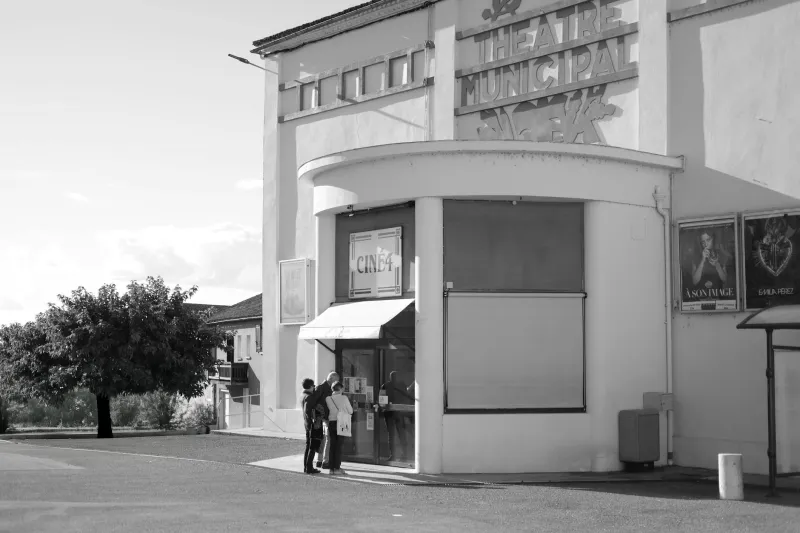
 Photo: the Rialto Theater, via www.impawards.com
The Rialto, like thousands of neighborhood theaters across America, operated on a simple principle: entertainment should be accessible to everyone, especially kids. For 25 cents, Bobby would settle into a worn velvet seat alongside dozens of other neighborhood children and lose himself in a carefully curated world of wonder.
The experience began with a cartoon—maybe Bugs Bunny outsmarting Elmer Fudd or Tom chasing Jerry through a suburban kitchen. Next came the serial, those cliff-hanging adventures that kept kids coming back week after week to see if Flash Gordon would escape the Ming Dynasty or if the Lone Ranger would survive his latest predicament.
 Photo: the Lone Ranger, via down-ph.img.susercontent.com
 Photo: Flash Gordon, via wallpapercave.com
Then came the main features—often two full-length films that transported audiences from the dusty streets of their small towns to the glamorous nightclubs of New York or the untamed frontiers of the Old West. Between shows, kids would pool their remaining nickels for candy from the lobby counter, where the same elderly woman had been selling Milk Duds and Jujubes for as long as anyone could remember.
More Than Entertainment: The Neighborhood's Living Room
These Saturday matinees weren't just about the movies themselves. The local theater functioned as an extension of the community, a place where children learned social rules, shared collective experiences, and formed friendships that would last decades. Mrs. Patterson, who managed the Rialto, knew every regular by name and wouldn't hesitate to separate troublemakers or comfort a child frightened by a particularly intense Western shootout.
Parents trusted these spaces implicitly. Mothers would drop off their children after breakfast with the confidence that they'd be safe, entertained, and probably educated for the next eight hours. The theater served as an unofficial community center, a place where working-class families could afford to give their children something special without breaking the weekly budget.
The programming itself reflected this community responsibility. Theater owners carefully selected films that would entertain without corrupting, adventure stories that sparked imagination while reinforcing the moral values that 1950s America held dear. Cowboys always caught the bad guys, good triumphed over evil, and justice prevailed—lessons delivered through the magic of Hollywood storytelling.
The Economics of Accessible Wonder
What made this system possible was an entirely different economic model. Neighborhood theaters operated on volume and community loyalty rather than premium pricing. The Rialto could afford to charge a quarter because it filled every seat, multiple times per day, seven days a week. Families attended regularly because they could afford to, creating a sustainable cycle of community entertainment.
Theater owners weren't trying to maximize profit per customer; they were trying to serve their neighborhoods. This meant keeping prices low enough that even families struggling through the post-war economic adjustments could still afford to send their kids to the movies. The result was a democratization of entertainment that crossed economic and social lines.
Compare that to today's average movie ticket price of $25—more than $200 in 1952 dollars. Modern theaters justify these prices with luxury amenities: reclining leather seats, premium sound systems, and gourmet concessions. But something fundamental was lost in the translation from community gathering space to premium entertainment experience.
When Convenience Killed Community
The death of the Saturday matinee culture didn't happen overnight. It began in the 1960s with the rise of television, accelerated with the development of suburban multiplexes in the 1970s, and reached completion with the streaming revolution of the 2000s.
As families moved to suburbia, they left behind the walkable neighborhoods where kids could safely travel to local theaters. The new multiplex model, located in shopping centers and designed around car access, required parental transportation and transformed movie-going from an independent childhood adventure into a family outing that needed to be planned and budgeted.
Today's children have access to more entertainment content than Bobby Martinez could have imagined, but they've lost the communal experience that made Saturday matinees special. Streaming services deliver personalized content to individual screens, eliminating the shared cultural moments that once united entire generations of American children.
The True Cost of Premium Entertainment
Modern movie theaters offer undeniable improvements: crystal-clear digital projection, surround sound that makes you feel like you're inside the action, and seats so comfortable you might forget you're not at home. But these upgrades came with a hidden price tag that goes beyond the $25 admission fee.
We traded accessibility for luxury, community for convenience, and regular ritual for occasional treat. The neighborhood theater that once welcomed every child with a quarter in their pocket has been replaced by an entertainment complex that requires careful budgeting and advance planning.
Perhaps most significantly, we lost the idea that entertainment should be a shared community experience rather than a private consumer choice. The Saturday matinee created common cultural references, shared memories, and a sense of belonging that no amount of premium amenities can replicate.
The quarter that once bought a day of wonder has become a $25 investment in temporary escape. We gained comfort but lost something irreplaceable: the magic of making movies accessible to every American child, regardless of their family's economic circumstances.