The Vacation That Fit in an Envelope: When Families Saved Up and Checked Out
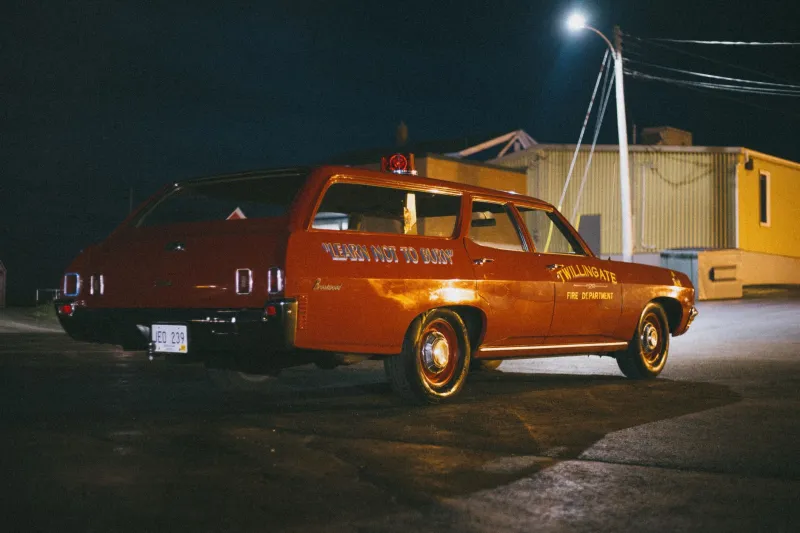
Somewhere in a lot of American attics, there's a photo album with slightly faded pictures of a family standing in front of a lake cabin or a roadside attraction, everyone squinting into the sun, someone holding a melting ice cream cone. Nobody is posing. Nobody is checking the lighting. The trip probably cost a few hundred dollars in today's money, and the family saved up for it across eleven months in a jar or an envelope or a dedicated savings account that existed for exactly this purpose.
That trip — low-budget, low-expectation, and completely offline — is starting to look like a luxury.
The Envelope Method
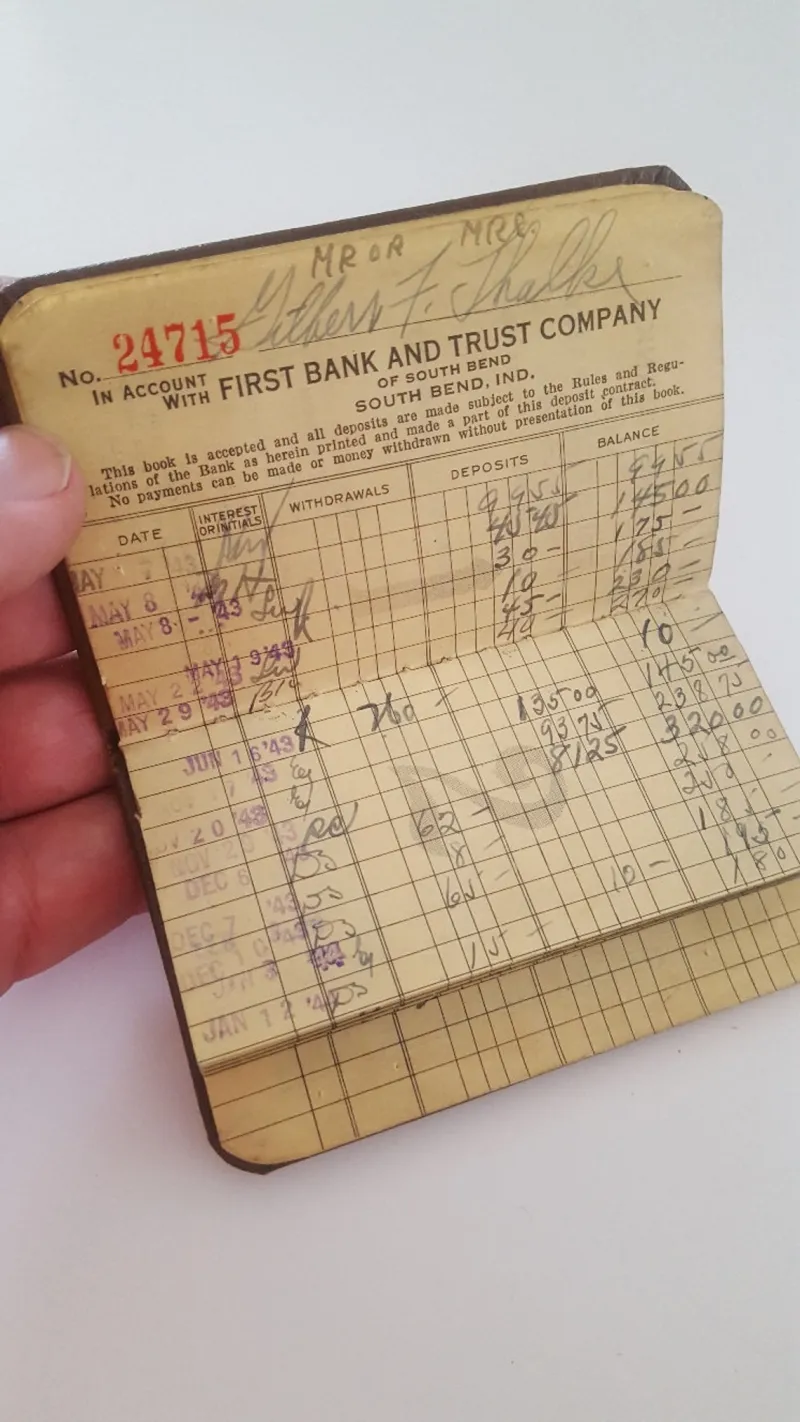
Through the middle decades of the twentieth century, the family vacation was a financial event you planned for, not a line of credit you managed afterward. Working-class and middle-class families alike operated on a simple principle: you saved what you could, and when you had enough, you went. When the money ran out, the trip was over.
This wasn't deprivation — it was structure. A week at a lake in Wisconsin or a drive down to see relatives in Florida or a few nights at a motor lodge on the way to some national park was genuinely sufficient. The bar was low because the point was rest and togetherness, not experience optimization.
The American road trip was built for exactly this kind of travel. A reliable car, a paper map, a cooler packed by whoever got up earliest, and enough cash to cover gas, modest motels, and diners where the coffee was bad and the pie was excellent. Nobody needed to research the best Instagram spots along the route because Instagram didn't exist and the spots didn't need to be best — they just needed to be there.
When Travel Became a Purchase
Something shifted in the 1990s and accelerated sharply in the years that followed. Travel rewards credit cards turned vacation spending into a points game. Online booking platforms made it easier to see what you could do, which made it harder to feel satisfied with what you could afford to do. And social media finished the job by turning the family vacation into a performance — something to be curated, captioned, and posted before you'd even fully arrived.
The financial architecture around travel changed to match. Buy-now-pay-later options now exist specifically for flights and hotel bookings. Travel credit cards carry interest rates that can quietly double the cost of a trip you've long since returned from. A 2023 survey found that roughly a third of Americans went into debt to pay for a vacation, with many still carrying that balance months later.
The trips themselves got more expensive too — not just because of inflation, but because the expectations embedded in travel culture have inflated right along with the price tags. A lake cabin is no longer sufficient if it doesn't have a hot tub and a kayak rental. A road trip requires a playlist, a podcast, a curated list of stops, and ideally a vehicle with a built-in screen for the kids. The modest motor lodge has been replaced by the boutique hotel, which costs four times as much and delivers a nearly identical night's sleep.
The Performance of Rest
Here's the uncomfortable part: for all the money being spent, Americans don't seem to be coming back from vacations more rested than their grandparents did.
Studies on vacation recovery consistently show that the psychological benefits of taking time off begin to fade within a few days of returning to work — sometimes even before the trip ends if work follows you via smartphone. The always-connected reality of modern professional life means that truly checking out requires a deliberate act of will that the vacation infrastructure no longer supports. Your hotel has Wi-Fi. Your boss has your number. Your inbox doesn't care that you're in Sedona.
Meanwhile, the pressure to justify a significant financial outlay by having a genuinely transformative experience creates its own anxiety. If you spent $4,000 on a trip to somewhere beautiful, you'd better feel something. That pressure — to be present, grateful, and visibly having a wonderful time — is its own kind of work.
The family squinting into the sun in front of the lake cabin didn't feel that pressure. They were just there.
What the Savings Account Understood
The old model of vacation financing had a built-in governor. You could only spend what you'd saved, which meant the trip was sized to your actual life rather than to an aspirational version of it. There was something psychologically clean about that constraint. You went, you enjoyed it, you came home, and you weren't still paying for it at Thanksgiving.
There's also something worth noting about the anticipation built into the savings model. Watching that envelope fill up over the course of a year — setting aside a little each month, tracking the progress — was itself part of the experience. The trip started long before you left the driveway.
Modern travel, booked impulsively on a rewards card and documented in real time, skips that slow build entirely. You can be in another country forty-eight hours after deciding to go. Whether that's an improvement depends entirely on what you were going for.
A Different Kind of Rich
None of this is an argument for going back to scratchy motel bedspreads and diners with no vegetarian options. The democratization of travel — the fact that flights are cheaper in real terms than they've ever been, that more destinations are accessible to more people than at any point in history — is genuinely good.
But the question worth asking is whether the financial and psychological cost of modern vacation culture is delivering on its promise. A family that saves for eleven months and spends a week at a cabin with no cell service might come home with something the algorithmically optimized, Instagram-documented, credit-card-financed trip to a trending destination simply can't provide.
Rest. Real, unperformed, unposted rest.
The envelope knew what it was doing.