A Handshake Used to Plant the Whole Season: When American Farming Ran on Trust
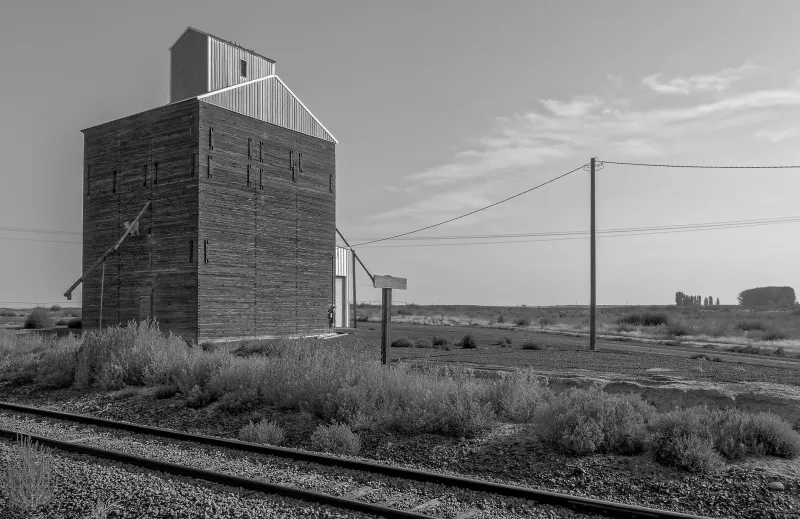
There was a time when a farmer could walk into the local grain elevator, tell the manager how many bushels he expected to bring in come fall, and leave with a verbal agreement that both men would honor without a second thought. No contract. No digital signature. No compliance checklist. Just two people who'd known each other's families for decades, doing what they'd always done.
That world didn't vanish overnight. But it's gone now — replaced by something so different it barely resembles the same industry.
The Ecosystem Nobody Wrote Down
American farming through most of the twentieth century operated on a dense web of informal relationships. The seed supplier knew which varieties worked on your specific stretch of land because he'd talked it over with your father. The equipment dealer extended credit through a slow winter because he understood the rhythm of the harvest cycle — and because he knew you'd be back. The grain elevator manager tracked your yields in a ledger and your reputation in his head.
These weren't just transactional relationships. They were community institutions. The farm supply store was where you heard who'd had a rough season and who might need a hand. The co-op meeting was where decisions got made over bad coffee and genuine debate. Trust wasn't a buzzword — it was the operating system.
Farmers borrowed seed on the promise of repayment after harvest. They lent equipment to neighbors without paperwork. They bought land from retiring families on installment plans that existed only in two people's mutual understanding of what was fair. The whole enterprise ran on reputation, and reputation ran on relationships built over years.
When the Lawyers Arrived
The consolidation of American agriculture didn't happen in a single moment, but the direction of travel has been consistent for decades. Small regional seed companies got absorbed by larger ones. Local grain elevators were bought up by national conglomerates. The equipment dealer who knew your name became a franchise location staffed by people who rotate in from regional offices.
And then came the seeds that changed everything.
The development of genetically modified crops — particularly Monsanto's Roundup Ready soybeans in the 1990s — introduced something American farming had never really dealt with before: intellectual property law applied to the act of planting. Farmers who'd always saved a portion of their harvest to replant the following year suddenly found themselves signing technology use agreements that prohibited exactly that. The seed, legally speaking, belonged to someone else.
Litigation followed. Farmers who replanted patented seed — sometimes knowingly, sometimes not — faced lawsuits from companies with legal departments that dwarfed the entire operating budget of the farms being pursued. The handshake era wasn't just fading. It was being actively dismantled by contract language most farmers needed a specialist to interpret.
The Data Farm
Today's agricultural landscape would be genuinely unrecognizable to a farmer from 1965. Precision agriculture technology now monitors soil moisture, tracks planting depth, maps yield variation across individual acres, and feeds that data into platforms managed by companies that may also sell you the inputs you're using. GPS-guided tractors log every pass across a field. Drones survey crop health. Algorithms suggest application rates.
None of this is inherently sinister. Some of it produces real efficiency gains and helps farmers make better decisions with limited resources. But there's a catch embedded in the data: it belongs to someone.
The terms of service attached to many farm management platforms give the companies behind them broad rights to aggregate and use the information generated by your operation. Planting dates, yield maps, soil data — the intimate details of how a specific piece of land performs — flow into corporate databases where they inform everything from commodity trading to future product development. The farmer generates the data. Someone else profits from it.
What was once a handshake between neighbors is now a licensing agreement between an individual and a multinational.
What Got Lost in the Consolidation
It would be easy to frame this purely as a story of progress — bigger operations, better yields, more efficient supply chains. And in some measurable ways, American agriculture has become vastly more productive per acre than it was in the mid-twentieth century.
But something real disappeared in the process. The local knowledge that lived in the heads of seed dealers and elevator managers wasn't just nostalgia — it was genuinely useful, place-specific intelligence that no algorithm has fully replicated. The flexibility built into informal credit relationships allowed farmers to survive bad years without losing their land. The community accountability that came with doing business among people who knew you created a kind of social contract that formal compliance systems can't manufacture.
The number of farms in the United States has dropped from about 6.8 million in 1935 to fewer than 2 million today. The average farm size has grown dramatically. The rural communities that once orbited the local grain elevator and the feed store have hollowed out in ways that track almost exactly with the consolidation of the industry that once anchored them.
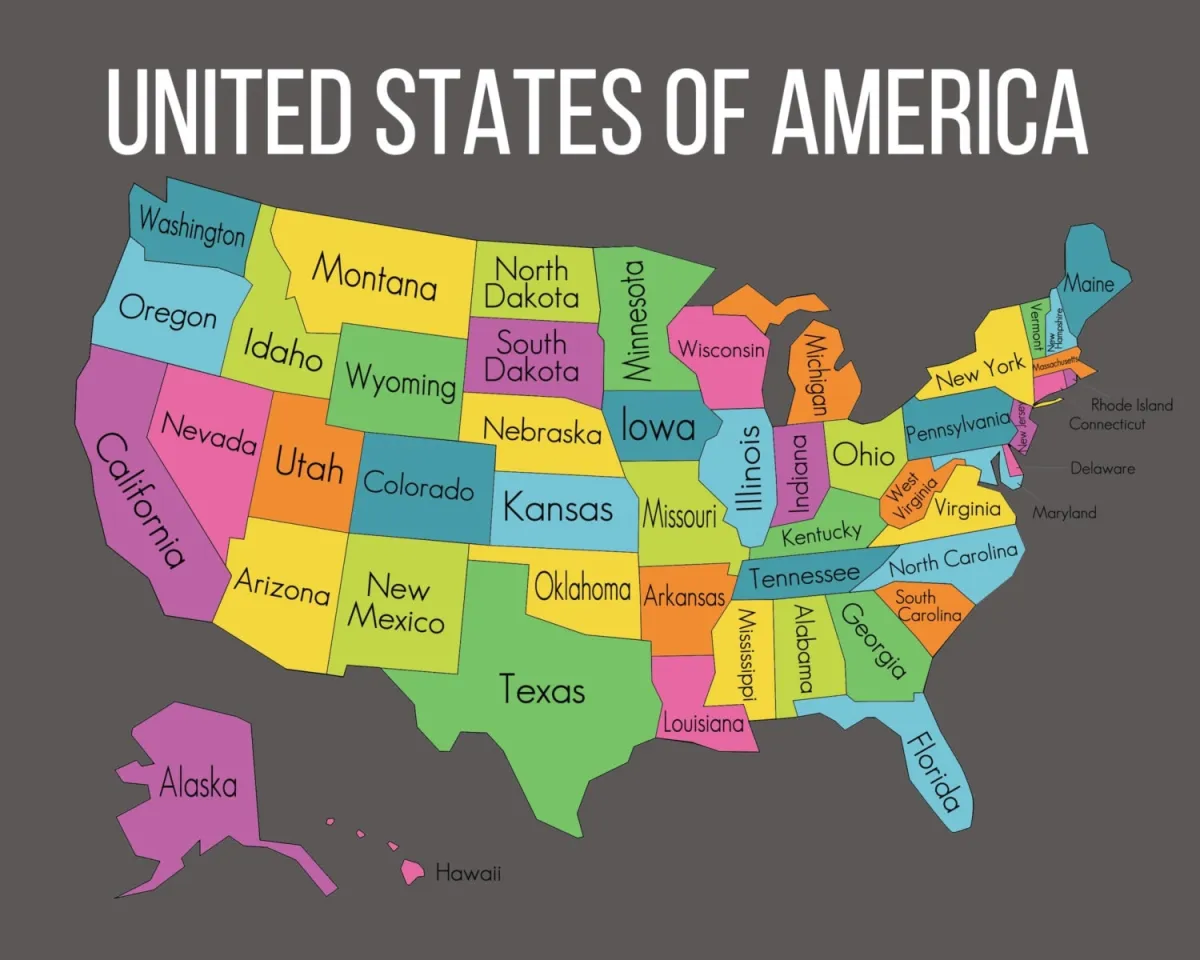 Photo: United States, via img1.etsystatic.com
The Lens Looking Back
None of this means American farming was perfect when it ran on handshakes. Informal systems also meant informal exclusions — Black farmers, women, and newcomers often found those trust networks closed to them in ways that caused real and lasting harm. The nostalgia for a simpler agricultural economy has to be held alongside an honest account of who those simple systems served and who they left out.
But the contrast between then and now still tells us something worth sitting with. A system built on generations of relationship and mutual accountability has been replaced by one built on contracts, patents, data licensing, and corporate consolidation. The farmer is still out there before dawn, still reading the sky, still making a thousand judgment calls a season. The difference is that more of those calls now happen inside someone else's terms and conditions.
The handshake didn't just seal a deal. It connected two people to a shared stake in what the land would produce. That connection is a lot harder to find in a software agreement.