Your Milkman Remembered How You Liked Your Eggs: When Delivery Drivers Were Part of the Family
The Man Who Knew Your Kitchen Better Than You Did
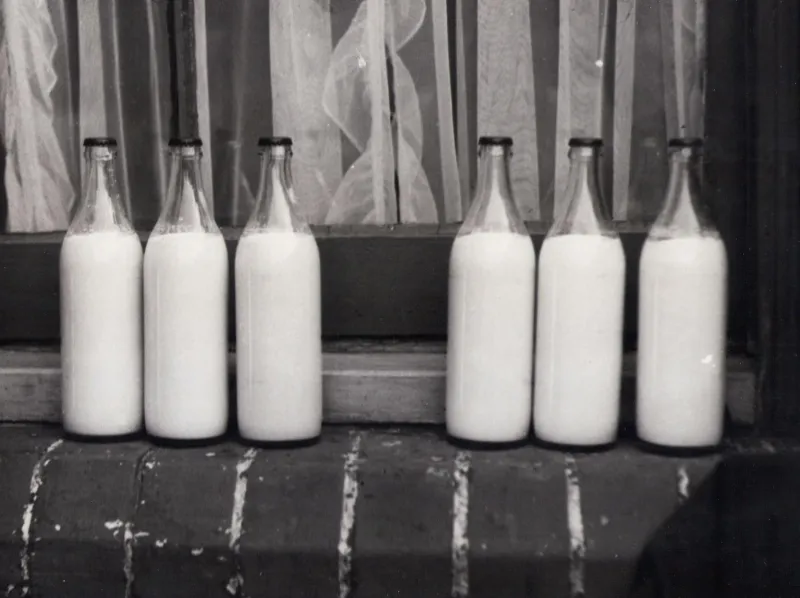
Every Tuesday and Friday at 5:30 AM, Frank Kowalski would pull his refrigerated truck up to the Hendersons' front porch, grab two bottles of whole milk and a dozen brown eggs from the back, and quietly place them in the insulated box by their door. He'd been making this exact delivery for twelve years, ever since little Tommy Henderson was born and Mrs. Henderson switched from skim to whole milk.
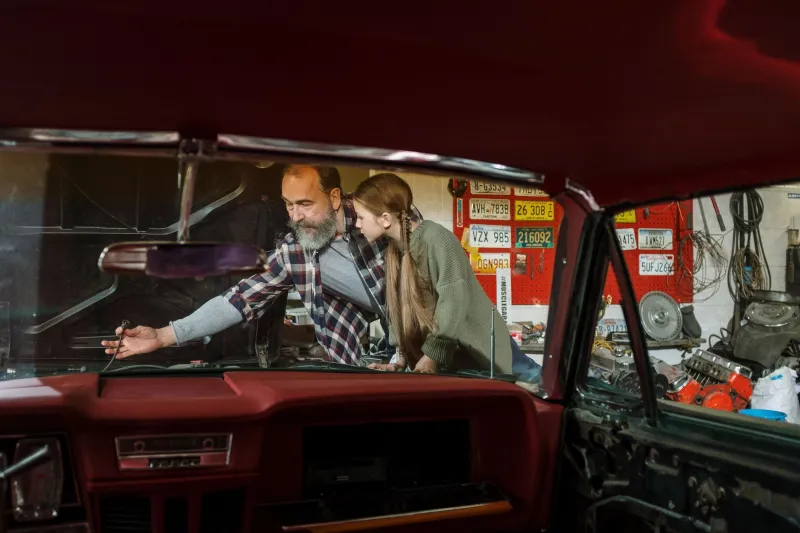
 Photo: Henderson, via tiogatours.nl
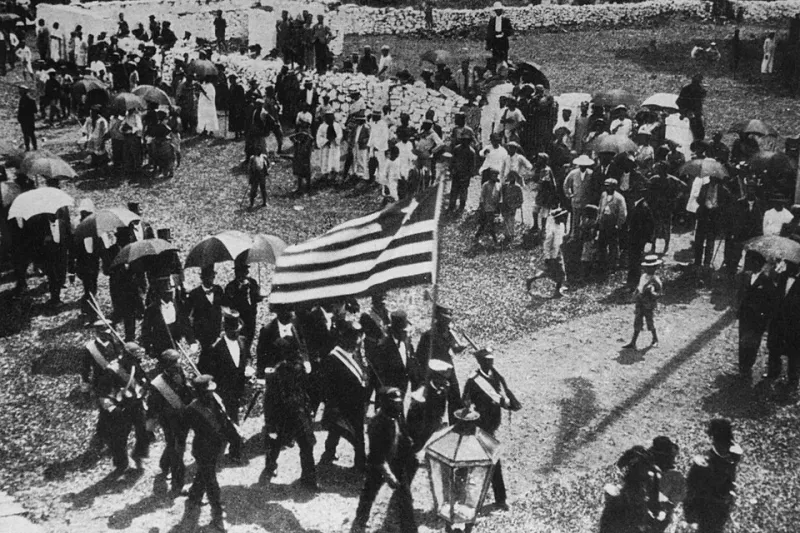
 Photo: Frank Kowalski, via i.pinimg.com
Frank didn't need an app to track the Hendersons' preferences. He remembered that they always needed extra milk before Christmas for Mrs. Henderson's famous eggnog, that they switched to chocolate milk during Tommy's Little League season, and that Mr. Henderson preferred farm-fresh eggs with deep orange yolks. This wasn't data stored in a cloud server—it was institutional knowledge built through years of personal relationships.
The Henderson family never placed orders online, never rated their delivery experience, and never worried about missed deliveries. Frank was more reliable than sunrise, more predictable than the morning newspaper, and more trusted than family. He had a key to their milk box and the authority to adjust their order based on what he knew about their lives.
When Delivery Routes Were Neighborhood Institutions
In post-war America, home delivery wasn't a luxury service—it was the backbone of domestic life. The milkman was just one member of a small army of delivery professionals who knew families by name and served them for decades. There was the iceman who understood exactly how much ice each household needed based on family size and season, the bread man who knew which families preferred white bread versus whole wheat, and the produce vendor who could predict when customers would want fresh corn based on local growing seasons.
These weren't gig workers scrambling between apps to maximize hourly earnings. They were skilled professionals who built careers around understanding their customers' needs, preferences, and life patterns. Many delivery routes were passed down from father to son, creating multi-generational relationships between families and their service providers.
The system worked because it was built on trust rather than technology. Customers left payment in milk boxes or settled accounts monthly without contracts or credit card authorizations. Delivery drivers had the autonomy to make judgment calls—leaving extra milk before a holiday weekend, skipping a delivery when they noticed the family was out of town, or adding seasonal items they knew customers would want.
The Economics of Personal Service
What made this personalized delivery system economically viable was efficiency born from intimacy. Frank could complete his entire route in six hours because he knew exactly what each family needed, where to find their payment, and how to access their delivery location. He didn't waste time confirming orders, processing payments, or dealing with customer service issues because the relationships were already established.
Customers, in turn, valued this reliability enough to pay premium prices for the convenience and personal touch. Fresh milk delivered to your door cost more than store-bought milk, but families considered it worthwhile for the time saved and the relationship maintained. The delivery drivers earned middle-class livings because they provided genuine value that customers couldn't replicate themselves.
This wasn't just about convenience—it was about community infrastructure. During the 1950s and 60s, when many mothers stayed home with children, the daily interaction with delivery drivers provided social connection and neighborhood security. Drivers served as informal community watchmen, checking on elderly customers and alerting families to problems they noticed during their rounds.
The Decline of the Personal Touch
Several factors combined to dismantle America's personal delivery culture. The rise of suburban supermarkets in the 1960s offered one-stop shopping that was initially more convenient than managing relationships with multiple delivery drivers. Refrigerator technology improved, allowing families to store more perishables and shop less frequently. And women's entry into the workforce meant fewer people were home to receive deliveries and maintain relationships with delivery drivers.
The economic model also shifted. As labor costs increased and profit margins tightened, delivery companies began prioritizing efficiency over relationships. Routes were optimized for speed rather than customer knowledge, drivers were measured on deliveries per hour rather than customer satisfaction, and the personal touch that had made the system special became too expensive to maintain.
By the 1980s, most Americans had transitioned to supermarket shopping supplemented by occasional restaurant delivery—usually pizza or Chinese food ordered by phone. The idea of having regular, personal relationships with delivery drivers seemed quaint and outdated, a relic of a simpler time when life moved more slowly.
The Algorithm Knows Your Order History
Today's delivery revolution promises to restore the convenience of home delivery while eliminating its inefficiencies. Apps like Instacart, Amazon Fresh, and DoorDash can deliver groceries, meals, and household items within hours of ordering. Sophisticated algorithms track purchase history, predict future needs, and optimize delivery routes for maximum efficiency.
The technology is undeniably impressive. Modern delivery apps know that you order Thai food every Tuesday, prefer organic produce, and always forget to buy milk until you run out. They can predict your needs based on purchase patterns, suggest new products based on similar customers' preferences, and deliver everything from groceries to prescription medications with remarkable speed and accuracy.
But this algorithmic efficiency comes with a hidden cost: the complete elimination of human relationships from the delivery experience. Your Instacart shopper changes with every order, your DoorDash driver is a anonymous profile photo, and your Amazon delivery person is likely someone different each time. There's no Frank Kowalski who remembers your preferences, understands your family's rhythms, or cares about your satisfaction beyond the five-star rating.
The Gig Economy's Efficiency Problem
Modern delivery drivers are independent contractors juggling multiple apps to maximize earnings. They might deliver for Uber Eats during lunch, switch to Amazon packages in the afternoon, and finish the day with Instacart grocery runs. This flexibility benefits drivers who can work when they want and customers who can get deliveries almost anytime.
But the system's efficiency is built on anonymity and turnover rather than relationships and expertise. Today's delivery driver doesn't know that you prefer brown eggs or that you always need extra milk before holidays. They're following GPS directions to an address, not visiting a family they've served for years.
The result is a delivery experience that's faster and more convenient than ever before, but completely lacks the personal touch that once made home delivery feel like community service rather than commercial transaction. We've optimized for speed and selection while eliminating the human connections that made delivery drivers trusted members of extended families.
What Convenience Actually Cost Us
The transformation from Frank Kowalski's personal milk route to today's app-based delivery ecosystem represents a broader shift in how Americans think about service, community, and trust. We've gained remarkable convenience—the ability to have almost anything delivered within hours—but we've lost the deep relationships that once made delivery drivers valued community members.
Modern delivery offers undeniable advantages: greater selection, competitive pricing, and the flexibility to order exactly what we want when we want it. We're no longer limited to the products our local delivery drivers carry or the schedules they maintain. The algorithmic efficiency of modern apps can predict our needs and deliver products we didn't even know we wanted.
But we've also lost something precious: the security of knowing that someone was looking out for our household, the efficiency of having our needs anticipated rather than requested, and the simple human pleasure of being known and cared for by the people who served us.
Frank Kowalski didn't just deliver milk—he provided peace of mind, community connection, and the irreplaceable value of being genuinely known by someone who cared about his customers' wellbeing. No algorithm, however sophisticated, can replicate the intuition and care that came from years of personal relationships built on daily interactions and mutual trust.
We've traded the milkman who knew our family for the efficiency of same-day delivery, and while we've gained convenience, we've lost something essentially human in the process.