Then & Lens See How Far We've Come

Then & Lens

See How Far We've Come

Latest Articles

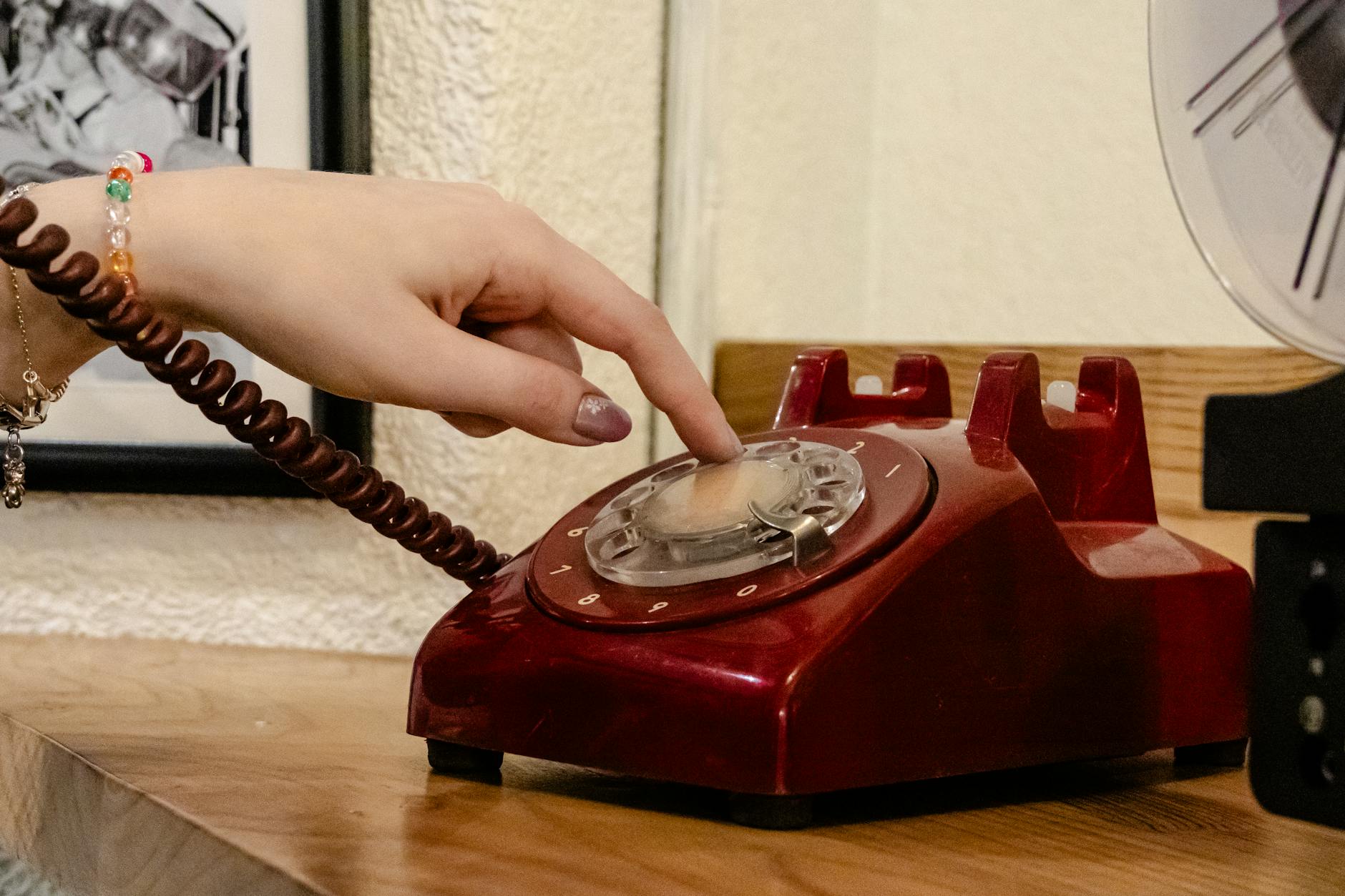
Hello? A Century of Americans Trying to Stay in Touch
Technology

Hello? A Century of Americans Trying to Stay in Touch

A hundred years ago, millions of American households shared a single phone line with their neighbors and considered it modern. Today, a teenager in Ohio can video call someone in Tokyo while simultaneously texting three other people. The distance between those two realities is hard to fully grasp — and the story of how we got here is stranger and more human than you might expect.
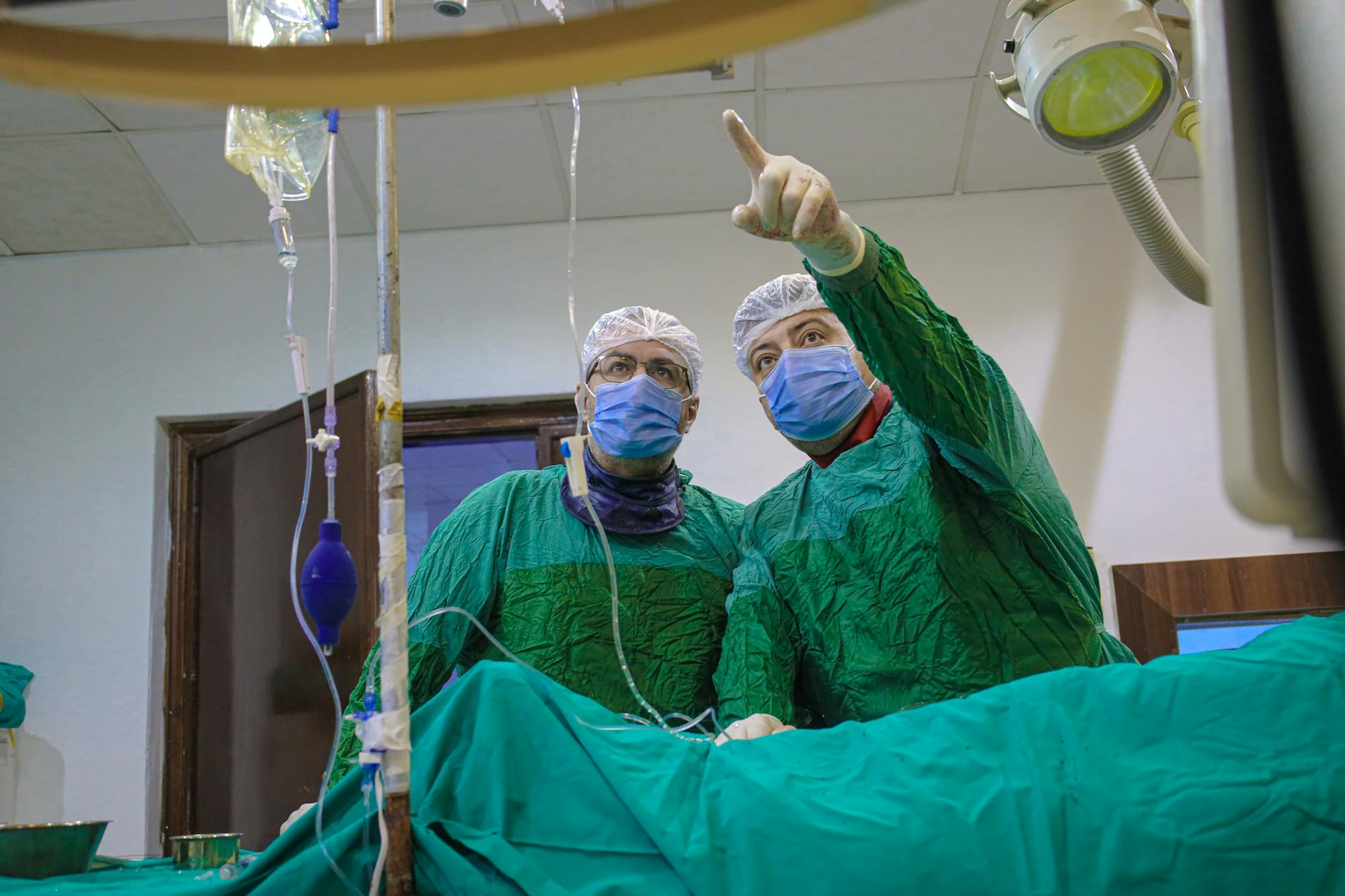
The Heart Attack Used to Be a Goodbye. Medicine Changed That Completely.
Culture

The Heart Attack Used to Be a Goodbye. Medicine Changed That Completely.

Sixty years ago, a heart attack was often the last chapter of a person's story. Today, the majority of Americans who suffer one walk out of the hospital and go home. The transformation in cardiac care is one of modern medicine's most quietly astonishing achievements — and most people have no idea how dramatic the shift has been.

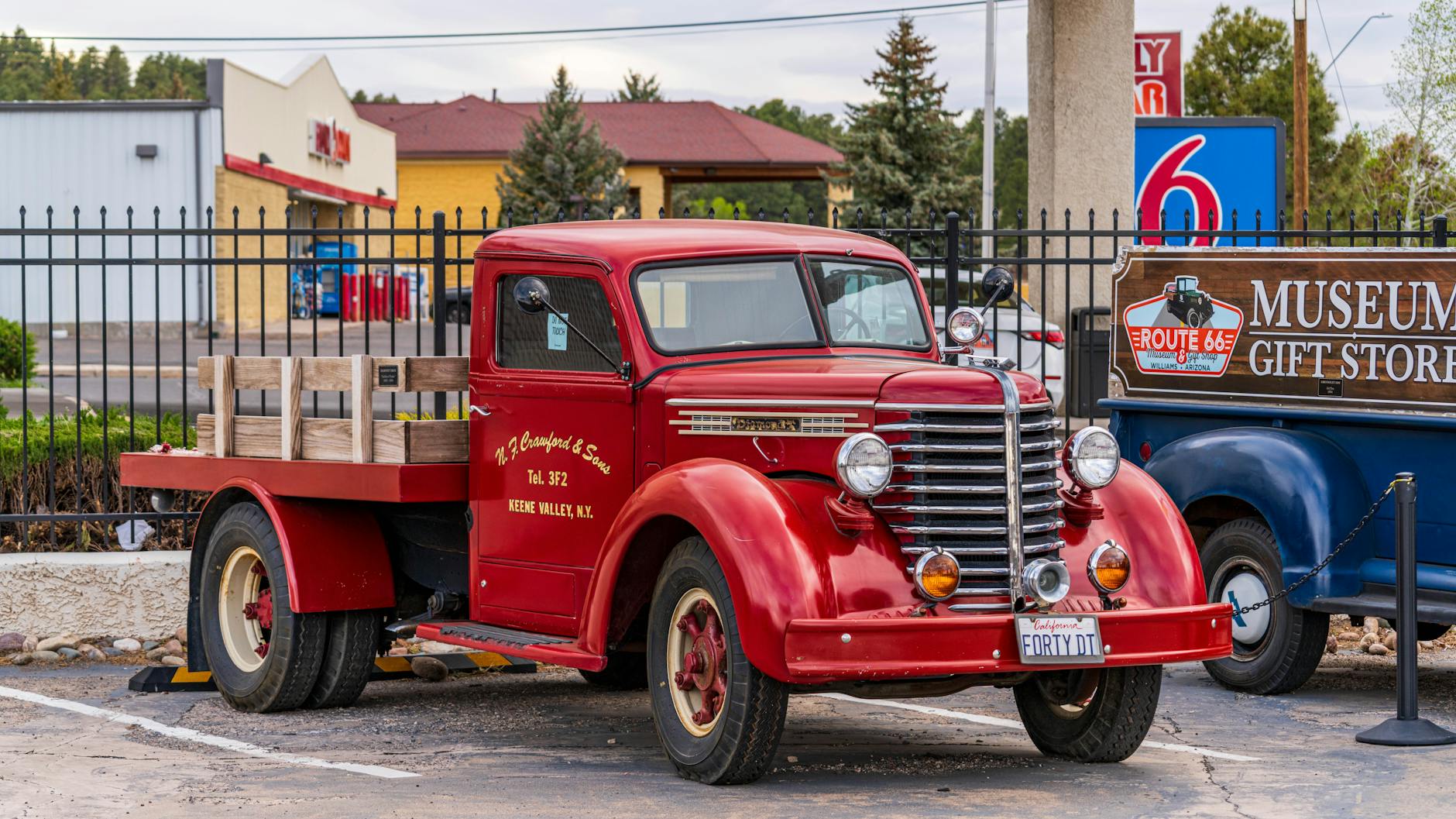
Before the Interstate: What a Coast-to-Coast Drive Actually Cost You in 1950
Travel

Before the Interstate: What a Coast-to-Coast Drive Actually Cost You in 1950

Driving from New York to Los Angeles in 1950 wasn't a road trip — it was an expedition. Before the Interstate Highway System existed, crossing the country meant weeks of unpaved roads, uncertain fuel stops, and a whole lot of hope. Here's how radically that journey has changed.

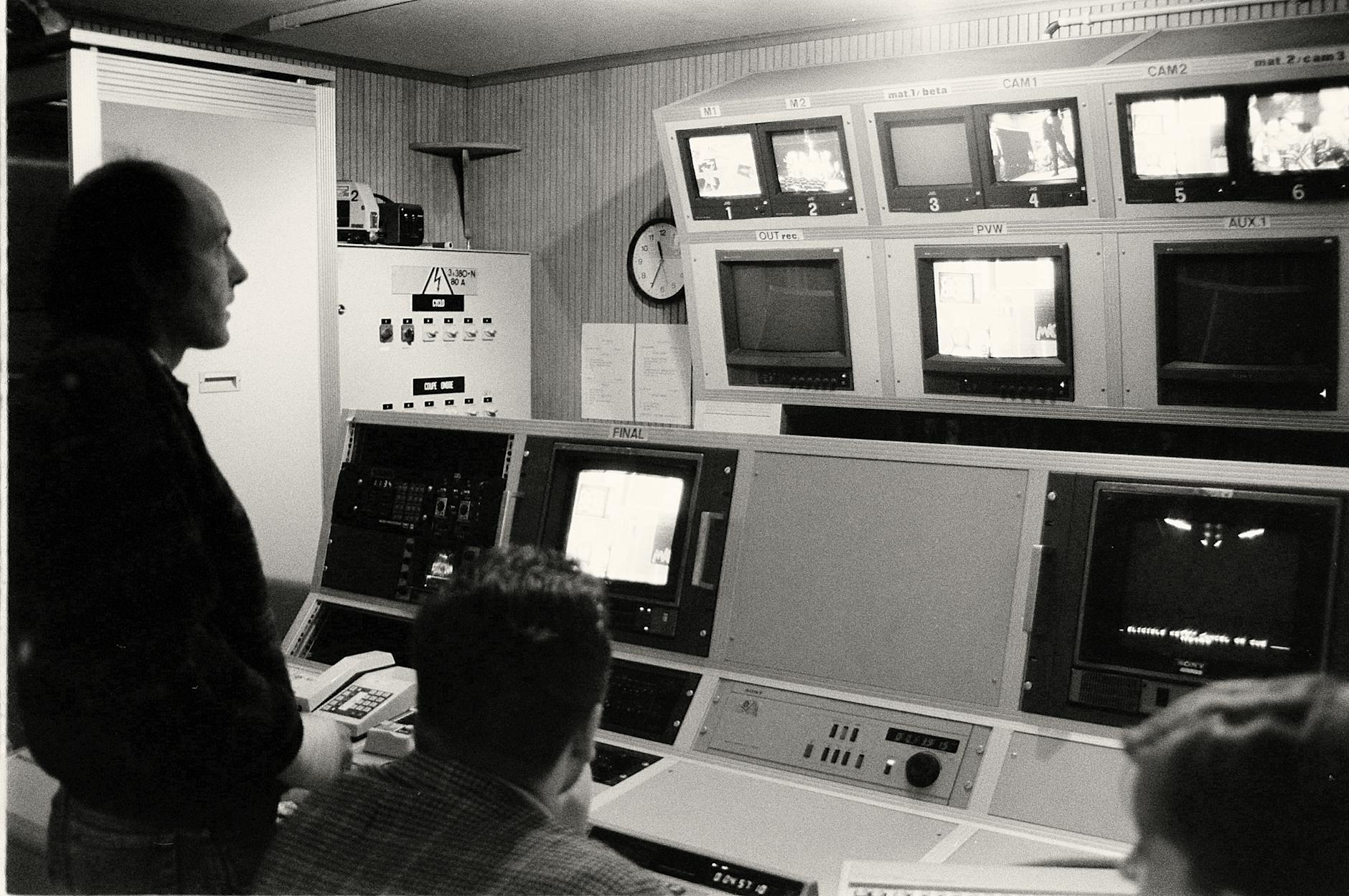
Walter Cronkite Signed Off. Then Everything Changed About How America Gets the News.
Technology

Walter Cronkite Signed Off. Then Everything Changed About How America Gets the News.

There was a time when most Americans watched the same newscast, trusted the same anchors, and largely agreed on what the day's important stories were. That world is gone — replaced by something faster, louder, and far more complicated. The story of how it happened is more fascinating than most people realize.

Flying Used to Be a Big Deal. Here's What We Traded Away to Make It Cheap.
Travel

Flying Used to Be a Big Deal. Here's What We Traded Away to Make It Cheap.

In the 1970s, boarding a commercial flight meant dressing up, sitting down to a hot meal, and paying what would be thousands of dollars in today's money. Somewhere between then and now, flying stopped being an occasion and became something closer to a bus ride with wings. The question is whether that trade-off was actually worth it.

We Used to Drive Across America With a Paper Map and Absolutely No Backup Plan
Technology

We Used to Drive Across America With a Paper Map and Absolutely No Backup Plan

Before GPS and Google Maps, a cross-country road trip meant folding a map badly, stopping at gas stations for directions, and occasionally just being lost — sometimes for hours. It sounds chaotic. In a lot of ways, it was. But something about navigating without a safety net made the journey feel like it actually meant something.

The 9-to-5 Is Gone. What Replaced It Isn't Exactly What We Asked For.
Culture

The 9-to-5 Is Gone. What Replaced It Isn't Exactly What We Asked For.

Forty years ago, most Americans left work at work. There was no after-hours email, no Slack ping at 9pm, no blurred line between the kitchen table and the conference room. Today's workday is more flexible than anything workers in the 1980s could have imagined — but flexibility and freedom aren't always the same thing.