The $30,000 Party That Used to Cost a Potluck: How American Weddings Got Out of Hand
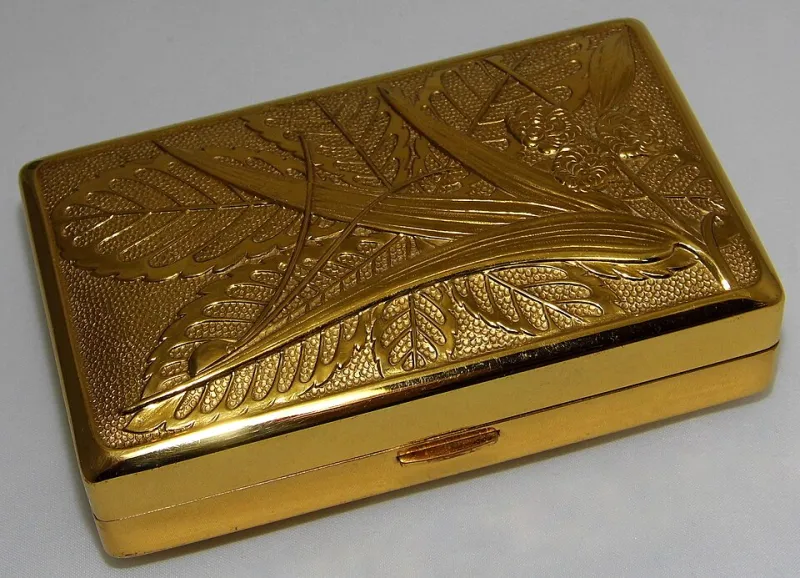
Photo: Joe Haupt from USA, CC BY-SA 2.0, via Wikimedia Commons
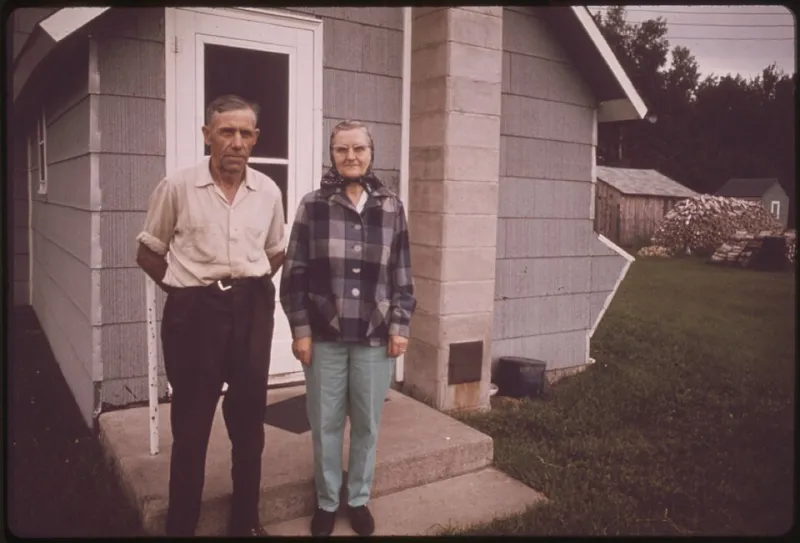
In 1955, the average American wedding cost somewhere around $2,000 in today's dollars. The ceremony happened in a church most of the family already attended. The reception followed in a backyard, a church hall, or the bride's parents' living room. Neighbors brought food. Someone's uncle played guitar. The cake came from a local bakery and cost less than dinner.
The whole thing felt like what it was: a community celebrating two of its own.
Today, the average American wedding costs just under $30,000. In major cities, that number climbs considerably higher. There are vendors to coordinate, contracts to sign, deposits to lose, and entire industries whose existence depends on convincing couples that anything less than a full production is somehow a failure of love.
Something happened between then and now. And it's worth understanding exactly what.
When Marriage Was a Neighborhood Event
For most of American history, weddings were community affairs in the most literal sense. The people who attended weren't guests in the modern sense — passive observers of a carefully choreographed event. They were participants. They brought food. They helped set up. They stayed to clean up afterward.
The ceremony itself was typically brief and religious, held in whatever house of worship the family called home. Reception venues were wherever there was space: a church fellowship hall, a backyard strung with paper lanterns, a grange hall that smelled faintly of hay and old wood.
Dresses were often handmade or borrowed. Flowers came from someone's garden. Photographs, if taken at all, were handled by a family friend with a decent camera and no invoice to send afterward.
None of this felt like deprivation. It felt like belonging. The wedding was an extension of the community that would surround the couple for the rest of their lives together.
The Moment the Industry Arrived
The transformation didn't happen overnight. It crept in gradually through the postwar decades, carried along by rising prosperity, suburban sprawl, and a consumer culture that was learning to attach price tags to emotional experiences.
The bridal magazine industry expanded dramatically in the 1950s and 60s, presenting a vision of the American wedding that was aspirational, stylized, and — crucially — purchasable. The white dress, which had actually been a relatively recent fashion innovation, became non-negotiable. The multi-tiered cake, the formal sit-down dinner, the professional photographer: each of these became a standard expectation rather than an optional luxury.
By the 1980s, the wedding vendor ecosystem had professionalized considerably. Wedding planners emerged as a distinct occupation. Bridal expos filled convention centers. The language shifted subtly but meaningfully — from your wedding to your special day, a phrase that implied a level of uniqueness and perfection that required professional management to achieve.
And once the expectation was set, opting out became socially costly in ways that were hard to articulate but very easy to feel.
What $30,000 Actually Buys
The modern American wedding industry generates roughly $57 billion annually. That number includes photographers averaging $2,500 to $4,000 per booking, florists charging upward of $3,000 for arrangements that will wilt before the honeymoon ends, venue fees that can clear $10,000 before a single guest arrives, and wedding planners whose coordination fees often exceed what entire mid-century weddings cost.
There's also the engagement ring, which sits outside the official wedding budget but carries its own commercial mythology — the famous "two months' salary" guideline, invented not by tradition but by a De Beers advertising campaign in the 1940s.
 Photo: De Beers, via www.harbourcity.com.hk
Couples today frequently go into debt to finance their weddings. A 2023 survey found that nearly one in three couples borrowed money to cover wedding costs, with average wedding debt exceeding $11,000. The honeymoon is often financed separately.
The wedding, in other words, has become the first major financial stress of a marriage — a strange way to begin a partnership.
The Ritual Got Louder. The Meaning Got Quieter.
Here's the uncomfortable irony at the center of all this: for all the money spent, all the vendors coordinated, all the Pinterest boards curated and Instagram moments staged, many couples report that their wedding day felt strangely rushed, oddly impersonal, and difficult to fully absorb while it was happening.
The backyard wedding of 1952 had something the ballroom wedding of 2024 often lacks: room to breathe. When your aunt made the potato salad and your neighbor strung the lights, the event carried the fingerprints of people who actually knew you. It was imperfect in ways that felt human.
The modern wedding, optimized for photographs and vendor timelines, can feel — despite the considerable investment — like an event happening around the couple rather than for them.
A Few Signs of a Different Direction
It's worth noting that not everyone has accepted the terms. Micro-weddings — intimate ceremonies with fewer than twenty guests — have grown steadily in popularity, particularly among couples who watched friends spend six figures on a single day and quietly decided that wasn't the life they wanted to start.
Elopements have shed their stigma. Backyard ceremonies are making an earnest comeback, no longer framed as budget compromises but as deliberate choices by people who'd rather spend the money on a house, a trip, or a decade of weekends together.
The community model that defined American weddings for most of this country's history didn't disappear because it stopped working. It disappeared because an industry figured out how to sell something better, and then spent decades making sure we believed it.
Whether the $30,000 version is actually better is a question worth sitting with the next time someone asks you to hold the date.