Your Grandfather's Buick Ran for 200,000 Miles. Your Tesla Gets Software Updates.
The Twenty-Year Car
In 1985, when Americans bought a car, they bought it with the expectation that it would last. Not just run—last. Your neighbor's 1978 Oldsmobile was still chugging along in the driveway, the same neighbor who could pop the hood and actually understand what he was looking at. Cars were mechanical puzzles that ordinary people could solve with basic tools and weekend afternoons.
Today, your car downloads updates while you sleep and might brick itself if you use the wrong charging cable.
The transformation of American car ownership represents one of the most dramatic shifts from product to service in modern consumer history. We've traded durability for features, simplicity for sophistication, and ownership for access.
When Cars Were Machines, Not Computers
The average American car in 1980 contained about 50 electronic components. Today's vehicles pack in over 3,000. Your grandfather's Chevrolet had an engine, a transmission, and some basic electrical systems. Your current SUV has more computing power than the space shuttle.
This technological leap sounds like pure progress until you consider what it meant for ownership. That 1980 Chevy could be diagnosed with a wrench set and fixed with parts from the local auto store. When something broke, you fixed it. When something wore out, you replaced it. The car got older, but it didn't become obsolete.
Modern vehicles don't just break—they become incompatible. Software updates stop coming. Apps get discontinued. Features that worked perfectly yesterday simply vanish because a company changed its business model.
The Death of the Backyard Mechanic
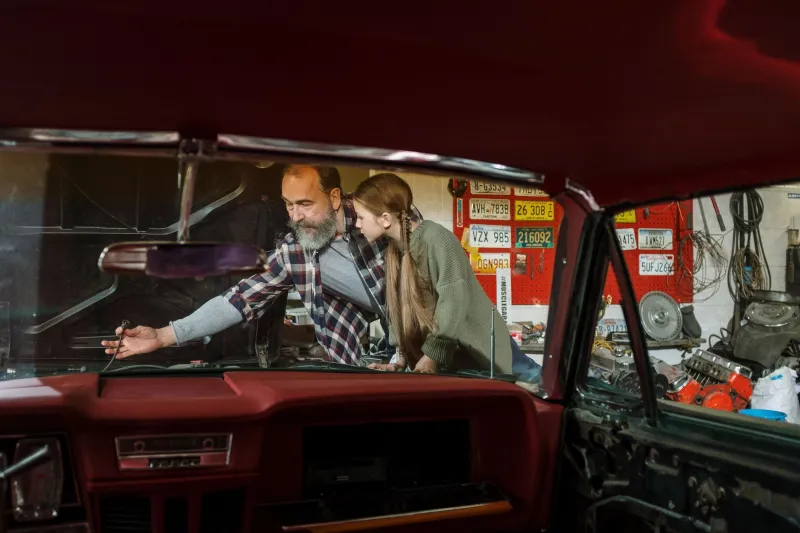
Every American neighborhood used to have at least one guy who could fix cars. Not professionally—just as a matter of practical necessity. These weren't automotive geniuses; they were regular people who understood that cars were mechanical devices built to be repaired.
The weekend mechanic didn't disappear because Americans got lazier. He disappeared because cars stopped being mechanical and started being digital. You can't troubleshoot a software glitch with a socket wrench. You can't YouTube your way through a firmware update gone wrong.
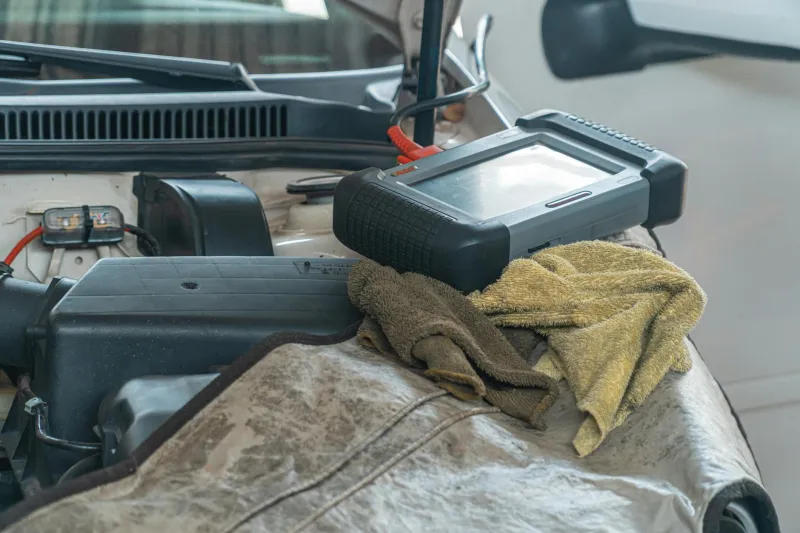
Today's automotive problems require diagnostic computers that cost more than the entire tool collection your dad used to maintain the family station wagon. The democratization of car repair—the idea that ordinary people could understand and fix their vehicles—ended not with a bang but with a software update.
From Investment to Subscription
The financial model of car ownership has undergone a complete reversal. In 1975, buying a car was a long-term investment. You saved up, made a significant purchase, and then drove that vehicle for 15-20 years. The car depreciated, but slowly, and if you maintained it properly, you could drive it until the wheels literally fell off.
Modern car ownership operates more like a subscription service. Lease payments, monthly software fees, subscription-based features, and planned obsolescence ensure that you're always paying and never really owning. Your BMW might charge you monthly for heated seats. Your Tesla might remove features you already paid for if you buy the car used.
The shift is so complete that many Americans now view cars as they view smartphones—devices to be replaced every few years rather than maintained for decades.
When Planned Obsolescence Came to Detroit
The concept of planned obsolescence—designing products to fail or become outdated—isn't new. What's new is how completely it's taken over automotive design. Your grandfather's car was built to last because lasting was the point. Durability was a selling feature.
Today's vehicles are designed with expiration dates. Not because engineers can't build durable cars, but because durable cars don't generate recurring revenue. A car that runs for twenty years without major issues is a terrible business model if you're trying to sell new cars every three years.
This shift shows up in countless small ways. Replacement parts that used to be available for decades now disappear within years. Simple mechanical systems have been replaced with complex electronic ones that can't be repaired, only replaced. Even basic maintenance often requires proprietary tools and dealer visits.
The True Cost of Automotive Innovation
None of this is to say that modern cars aren't better in many ways. They're safer, more fuel-efficient, more comfortable, and packed with features that would have seemed like science fiction in 1975. Your smartphone integration, automatic emergency braking, and GPS navigation represent genuine improvements in the driving experience.
But these improvements came with a hidden cost: the loss of automotive independence. Americans used to own their cars in a meaningful sense—they understood them, could fix them, and could keep them running indefinitely. Now we lease access to increasingly sophisticated machines that we're not allowed to truly understand or modify.
The Subscription Car Economy
The most revealing trend in modern automotive ownership is the rise of subscription features. BMW's heated seat subscription made headlines, but it's just the beginning. Cars now include hardware that's disabled unless you pay monthly fees to unlock it.
This model would have been incomprehensible to previous generations of American car buyers. Imagine explaining to your grandfather that his new Buick came with air conditioning that he'd have to pay to activate every month, even though the actual air conditioning unit was already installed in the car.
Yet this is exactly where automotive ownership is headed. Cars are becoming platforms for ongoing revenue generation rather than products you buy once and own.
What We Lost in the Translation
The transformation from mechanical to digital cars represents a broader shift in American consumer culture. We've traded ownership for access, durability for features, and understanding for convenience.
The old model had its problems—cars broke down more often, were less safe, and lacked modern conveniences. But they also fostered a different relationship between Americans and their possessions. When you could fix something yourself, you understood it. When you owned something outright, you valued it differently.
The twenty-year car taught Americans about maintenance, repair, and the satisfaction of keeping something running through care and attention. The subscription car teaches us about planned obsolescence, recurring payments, and the anxiety of devices that update themselves in ways we can't control.
The Road Ahead
The shift from ownership to subscription isn't just about cars—it's about the entire economy. But cars hold a special place in American culture as symbols of freedom, independence, and self-reliance. The transformation of automotive ownership reflects broader changes in how Americans relate to the things we use every day.
Understanding this transformation doesn't require going back to carburetors and manual transmissions. But it might help us think more critically about what we're trading when we choose convenience over ownership, features over durability, and access over understanding.
Your grandfather's Buick might not have had Bluetooth, but he owned it completely. Your Tesla has amazing features, but you're essentially renting them. Both approaches have merits, but only one builds the kind of automotive independence that previous generations took for granted.