America's Lost Town Square Had Red Leather Chairs and Hot Towels
Where Democracy Happened Between the Scissors
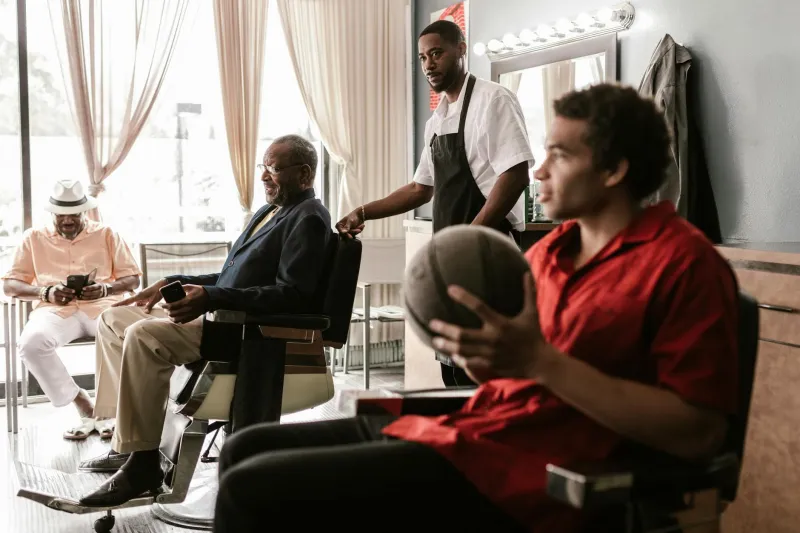
Every Saturday morning in small-town America, you'd find the same scene playing out behind plate glass windows marked with spinning red, white, and blue poles. Three or four men in the chairs, twice as many waiting on the bench, and conversations flowing as freely as the hair hitting the checkered floor.
The barbershop wasn't just where you got your hair cut. It was where America talked to itself.
For most of the 20th century, the neighborhood barbershop functioned as an informal town hall, a place where factory workers sat next to bank presidents, where teenagers learned to argue politics from their elders, and where the day's news got dissected with the same precision as a perfect fade.
This wasn't just about grooming. It was about belonging.
The Democracy of the Waiting Bench
Walk into Sal's Barbershop in 1965, and you'd encounter something remarkable: genuine cross-class conversation. The guy who owned the gas station waited his turn behind the high school principal. The retired mailman debated foreign policy with the young lawyer. Economic status mattered less than how well you could hold up your end of the discussion.
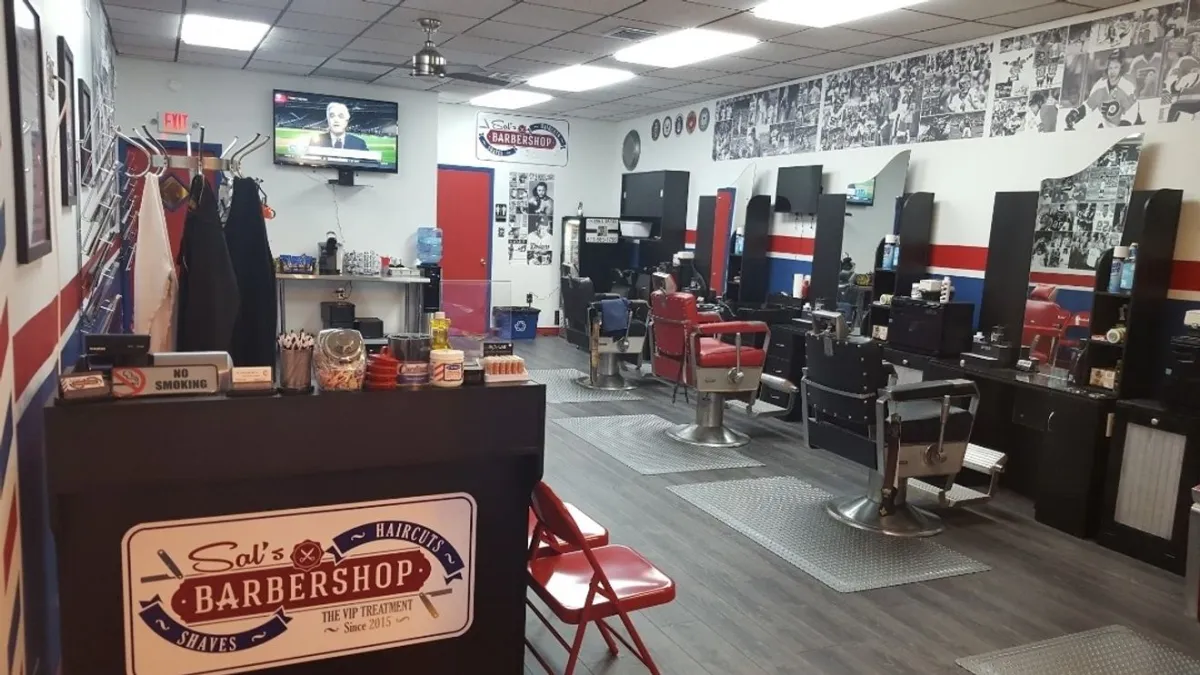 Photo: Sal's Barbershop, via images-prod-1.getsquire.com
The barbershop operated on egalitarian principles that would seem revolutionary today. Everyone waited their turn. Everyone got heard. The barber, wielding both scissors and social authority, kept conversations civil while encouraging spirited debate.
Topics ranged from the profound to the mundane: Kennedy's assassination, the local football team's chances, whether the new shopping center would kill downtown businesses. Men who rarely spoke outside these walls found their voices in the comfortable democracy of the barbershop chair.
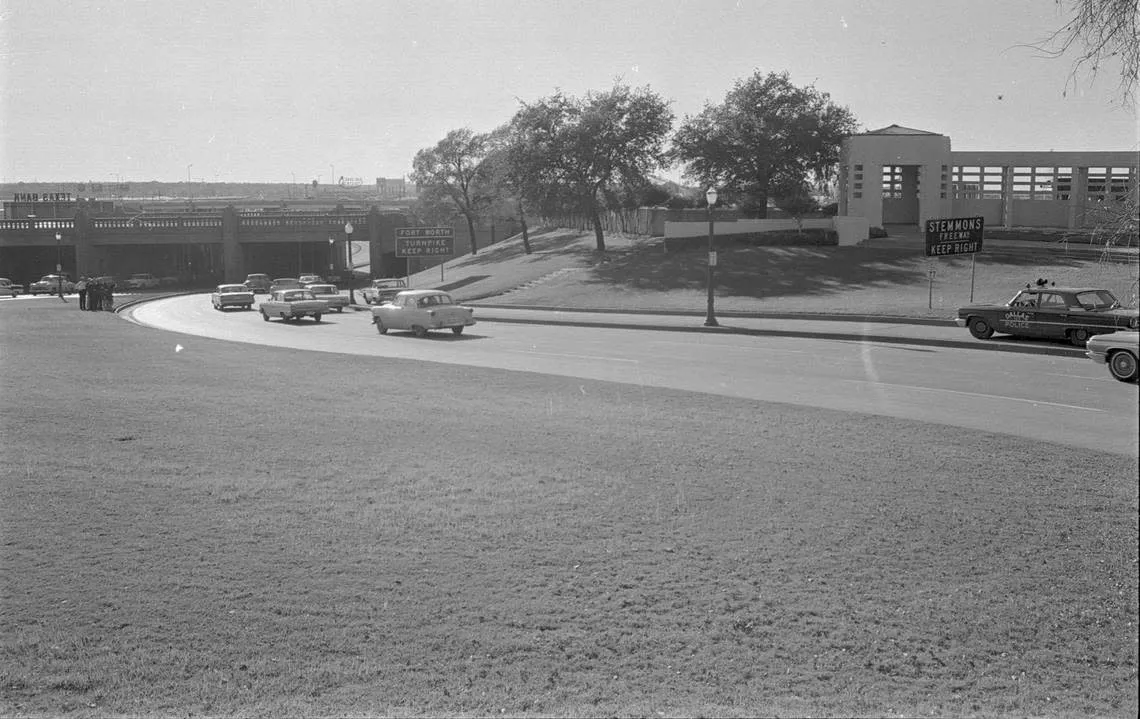 Photo: Kennedy's assassination, via s.yimg.com
More Than a Haircut
The ritual extended beyond conversation. Barbershops offered services that transformed grooming into an experience: hot towel treatments, straight-razor shaves, shoe shines, and the kind of attention to detail that made ordinary men feel distinguished.
Barbers knew their customers' preferences without asking. They remembered how you liked your sideburns, whether you preferred the hot towel before or after the shave, and exactly how much to take off the top. This wasn't customer service—it was relationship maintenance.
The shop itself became a repository of local memory. Faded photographs of high school football teams lined the mirrors. Newspaper clippings of local boys who made good gathered dust on the ledges. The barbershop preserved community history in a way that felt organic rather than institutional.
When Convenience Killed Community
The decline started slowly in the 1970s. Shopping malls drew customers away from downtown barbershops. Chain salons offered faster service and later hours. Hair styles grew longer, and many men simply needed fewer cuts.
But the real killer was cultural. The appointment-based salon model prioritized efficiency over engagement. You scheduled your slot, arrived on time, got your service, and left. No waiting. No conversation with strangers. No accidental encounters with neighbors you hadn't seen in months.
Women's salons had always operated differently, focusing on personal service and private conversation. As gender roles shifted and men became more conscious about grooming, they gravitated toward salon-style experiences that offered privacy over community.
The New Normal: Isolation by Appointment
Today's grooming experience prioritizes convenience and personalization over community building. Modern barbershops—the ones that survive—often cater to specific demographics or style preferences rather than serving as neighborhood gathering places.
Walk into a contemporary salon, and you'll find individual stations designed for privacy, customers wearing earbuds, and conversations limited to stylist-client interactions. The waiting area, if one exists, features people scrolling phones rather than debating the day's events.
The appointment system, while efficient, eliminated the spontaneous encounters that made barbershops special. You no longer bump into your neighbor, overhear gossip about the city council meeting, or find yourself drawn into passionate discussions about baseball trades.
What We Lost When We Stopped Waiting
The barbershop's demise represents a broader shift in American social life: the replacement of shared spaces with private experiences. We gained efficiency and lost serendipity. We got better customer service and gave up community connection.
Those Saturday morning conversations served functions we didn't fully appreciate at the time. They helped men process current events, learn from different perspectives, and maintain social bonds across economic and generational lines. The barbershop was where boys learned to participate in adult conversation and where older men passed down unwritten rules of civic engagement.
The physical act of waiting together created opportunities for connection that appointment-based services can't replicate. When everyone expects to be served immediately, there's no time for the casual conversations that build community fabric.
Echoes of What Was
Some modern barbershops try to recreate the old atmosphere with vintage chairs, traditional tools, and encouragement for customer interaction. But the cultural context has changed too dramatically for full restoration. We're too accustomed to privacy, too scheduled for spontaneity, too polarized for comfortable political debate.
The neighborhood barbershop represented a particular moment in American social life when men had fewer places to gather but more tolerance for diverse viewpoints in shared spaces. It was an institution that emerged organically from community needs and disappeared just as naturally when those needs evolved.
Yet something irreplaceable was lost when the last of the old-school barbershops closed their doors. America became a little more fragmented, a little less connected, and significantly quieter. The conversations that once filled those red leather chairs and spilled onto the sidewalks outside simply moved online—or stopped happening altogether.
We still get our hair cut, of course. We just don't build democracy while we're doing it.