The Two-Block Journey That Built Character: When Kids Navigated School Alone
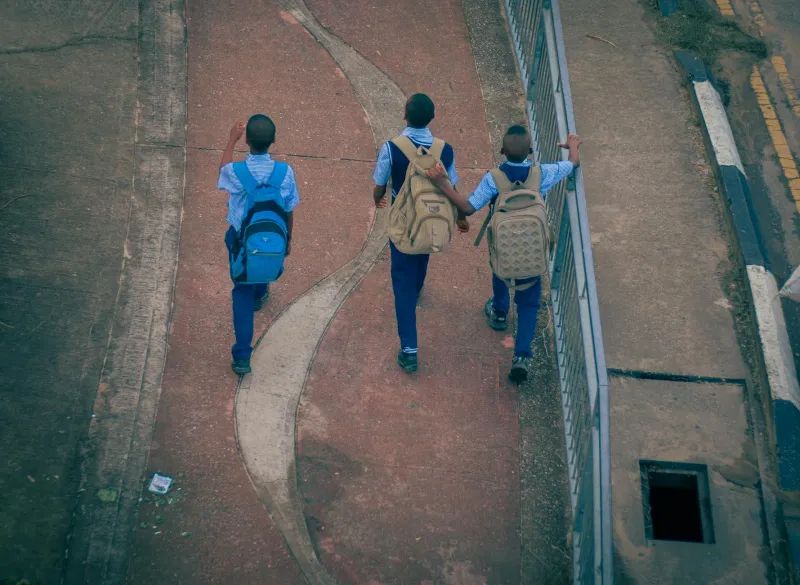
The Morning Migration
Every weekday morning in 1975, eight-year-old Susan Walker grabbed her Holly Hobbie lunchbox, kissed her mother goodbye, and set off on the six-block journey to Riverside Elementary. She walked alone, just like every other kid in the neighborhood.
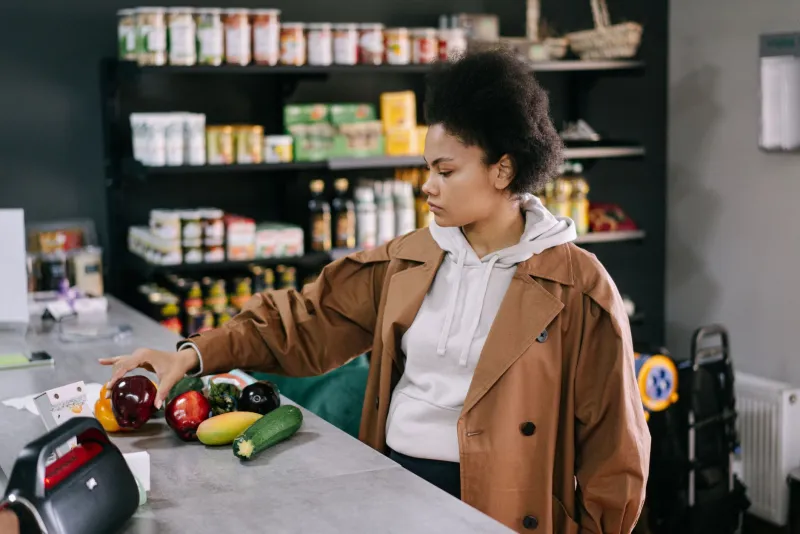
 Photo: Susan Walker, via susanwalker.art
 Photo: Riverside Elementary, via cmsv2-assets.apptegy.net
This wasn't considered brave or unusual. It was Tuesday.
Susan navigated crosswalks, avoided puddles, and occasionally detoured past the corner store where Mr. Chen might slip her a piece of penny candy. She learned which dogs were friendly, which neighbors waved from their porches, and exactly how long she could dawdle before risking the late bell.
By the time she reached fourth grade, Susan could guide lost kindergarteners to school, knew every shortcut in a twelve-block radius, and possessed the kind of spatial confidence that comes only from independent navigation. She was developing what psychologists now call "wayfinding skills"—and what previous generations simply called growing up.
When Independence Had an Age, Not a Lawsuit
For most of the 20th century, walking to school marked a childhood milestone as significant as learning to ride a bike or losing your first tooth. The transition usually happened around age six or seven, when parents decided their child could handle the responsibility.
This independence came with clear expectations. Kids learned traffic safety through practice rather than theory. They memorized their route, understood stranger danger without becoming paralyzed by it, and developed the confidence that comes from successfully completing small challenges.
Parents viewed this progression as natural child development. The walk to school taught practical skills: reading street signs, understanding traffic patterns, managing time, and problem-solving when unexpected obstacles arose. It was considered preparation for life, not a risk to be eliminated.
The Geography of Growing Up
The solo school walk created intimate neighborhood knowledge that shaped how children understood their world. Kids knew every crack in the sidewalk, every house with the friendliest dog, every yard where they might retrieve a stray ball.
This familiarity bred confidence and belonging. Children who walked to school felt ownership of their neighborhood in ways that car-riding kids never experienced. They were active participants in the street life around them, not passive passengers viewing it through windows.
The walk also provided daily doses of unstructured time—fifteen minutes twice a day when kids could think, observe, and process their experiences without adult supervision or entertainment. These quiet moments, now recognized as crucial for mental development, happened naturally as part of the school routine.
When Everything Changed
The shift away from independent school walks didn't happen overnight. It evolved through the 1980s and 1990s as several cultural forces converged: increased car ownership, suburban sprawl that placed schools farther from homes, and a growing perception that streets had become more dangerous.
The 1980s brought high-profile kidnapping cases that, while statistically rare, dominated news coverage and parental consciousness. "Stranger danger" campaigns, originally designed to teach safety awareness, inadvertently convinced many parents that any unsupervised outdoor time posed unacceptable risks.
Simultaneously, liability concerns began reshaping institutional policies. Schools started requiring specific procedures for student pickup and drop-off. Insurance companies and lawyers advised against policies that might be construed as encouraging unsupervised activities.
The Carpool Line Revolution
By the 1990s, the car had become the default school transportation method for families who could afford it. What started as a convenience for working parents evolved into a cultural expectation. Parents who allowed elementary-age children to walk alone began facing judgment from other adults.
The carpool line, once reserved for rainy days or special circumstances, became a daily ritual. Schools redesigned their entrances to accommodate long lines of idling vehicles. Morning and afternoon traffic around schools increased dramatically as more families opted for door-to-door service.
This shift created a feedback loop: as more parents drove their children, streets became busier and seemingly less safe for the remaining walkers. The presence of cars made walking feel more dangerous, encouraging even more families to abandon pedestrian routines.
What the Numbers Actually Show
The irony is that streets became statistically safer for children during the same period that parents became more fearful. Crime rates involving children declined significantly from the 1970s through the 2000s. Traffic fatalities also decreased as safety measures improved.
Yet parental perception moved in the opposite direction. Studies show that modern parents consistently overestimate the dangers facing their children while underestimating their capabilities. The same parents who confidently walked to school in 1980 often consider it too risky for their own children today.
Meanwhile, the health consequences of reduced physical activity have become measurable. Childhood obesity rates have tripled since 1980, coinciding almost exactly with the decline in active transportation to school.
The Supervised Generation
Today's children experience unprecedented levels of adult supervision. The independent school walk has been replaced by structured activities: organized sports, planned playdates, and carefully monitored educational experiences. Every moment is accounted for, every risk managed.
Modern parents often express genuine desire to give their children more independence while feeling trapped by cultural expectations and institutional policies that make such independence difficult to implement safely.
Some communities have tried to revive walking culture through "walking school buses"—groups of children who walk together under adult supervision. While well-intentioned, these programs highlight how far we've moved from the casual independence that previous generations took for granted.
The Skills We Stopped Teaching
The elimination of independent school walks represents more than just a transportation change. It removed a daily opportunity for children to develop navigation skills, risk assessment, and self-confidence through manageable challenges.
Psychologists now document "environmental anxiety" in children who have limited experience navigating physical spaces independently. These kids often struggle with spatial reasoning, have difficulty reading maps, and feel overwhelmed by unfamiliar environments.
The loss extends beyond individual development. When children stopped walking through neighborhoods, they also stopped being visible community members. The sight of kids walking to school once served as a natural reminder of shared civic responsibility for child welfare.
What We Gained and Lost
Modern school transportation is undeniably safer in terms of traffic accidents and stranger encounters. Parents have more control over their children's schedules and experiences. Schools can better manage liability and security concerns.
But we've also eliminated a rite of passage that built character through small, daily acts of independence. The eight-year-old who confidently navigated six blocks to school was developing skills that extended far beyond wayfinding: self-reliance, problem-solving, and the deep satisfaction that comes from successfully meeting adult expectations.
Susan Walker, now in her fifties, still remembers the pride she felt walking into school each morning, having successfully completed her solo journey. Her own children, raised in the age of carpool lines and structured supervision, never experienced that particular form of growing up.
They're probably safer for it. Whether they're better prepared for life remains an open question.