The Five-Minute Interview: When Getting Hired Meant Looking Someone in the Eye
When Work Found You on Main Street
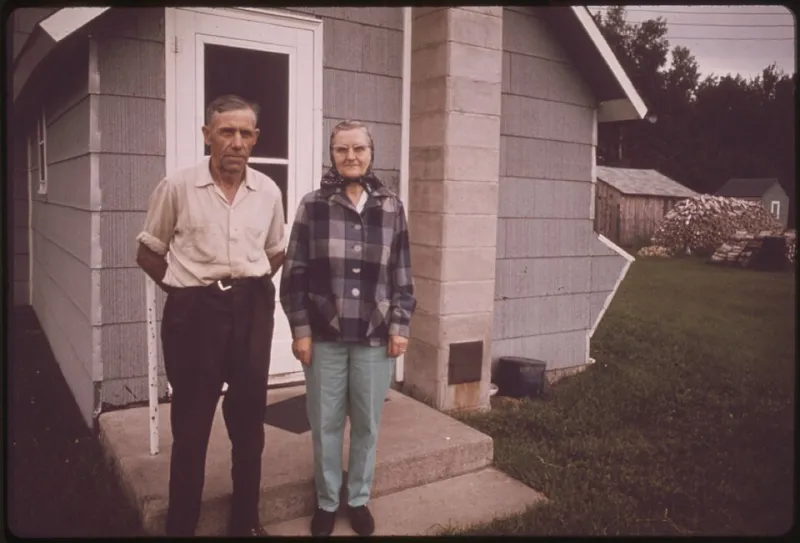
In 1962, Jerry Martinez walked into Peterson's Hardware on a Tuesday morning in Akron, Ohio. He needed a job, and the "Help Wanted" sign in the window seemed like an invitation. Twenty minutes later, he was wearing an apron and learning how to mix paint. No resume. No background check. No personality assessment or skills matrix. Just a conversation between two people who sized each other up the old-fashioned way.
 Photo: Jerry Martinez, via static.wikia.nocookie.net
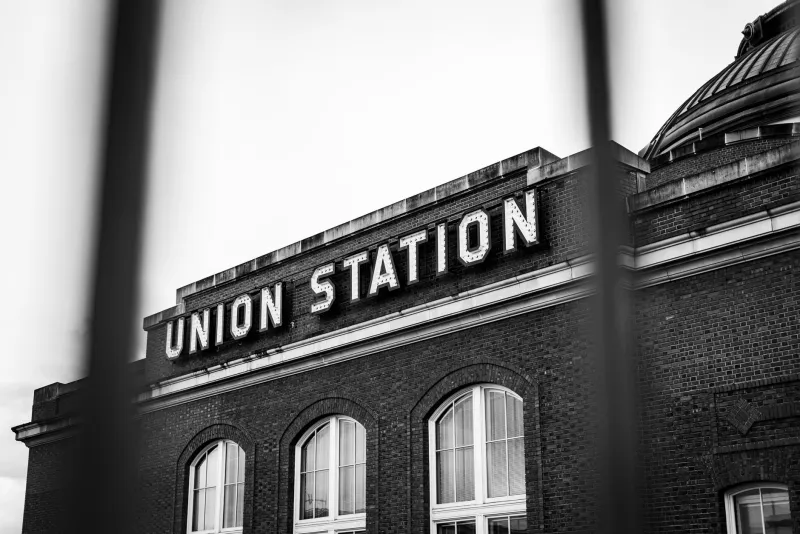
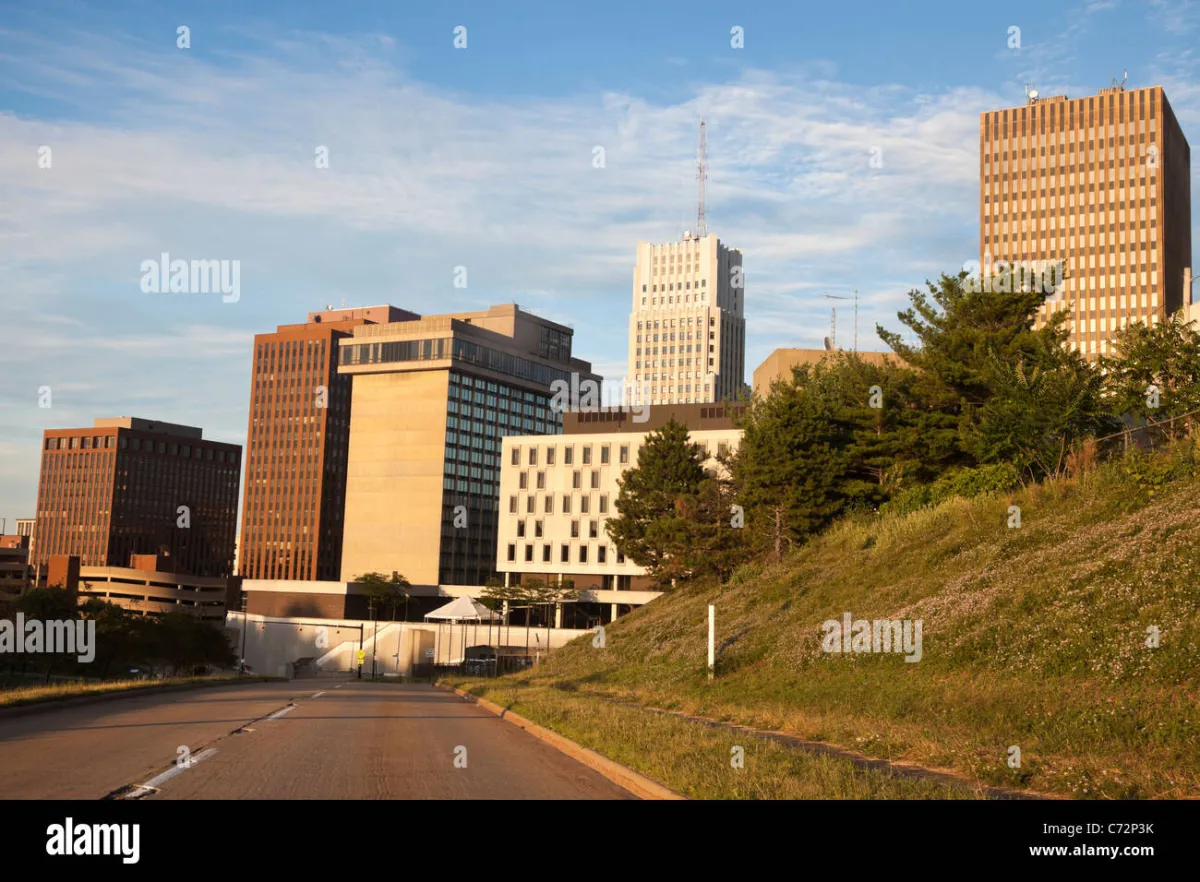 Photo: Akron, Ohio, via c8.alamy.com
This wasn't unusual. It was Tuesday.
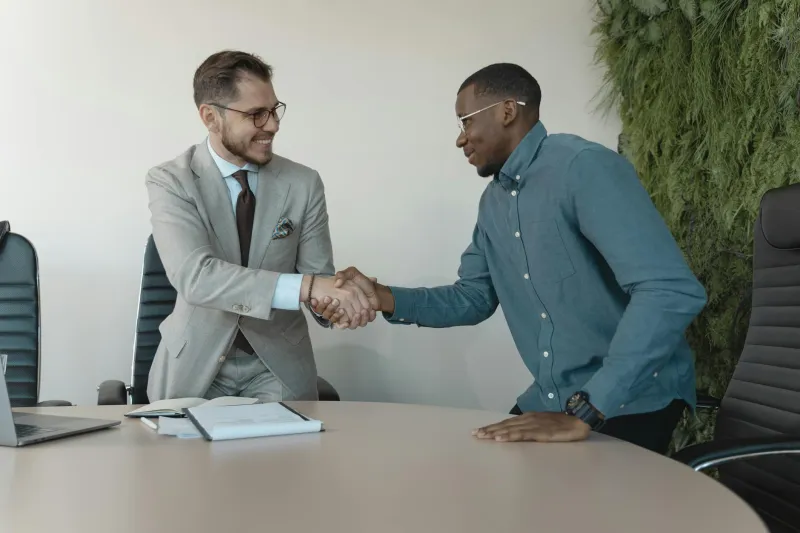
For most of the 20th century, getting hired in America meant showing up, shaking hands, and proving yourself through conversation rather than credentials. The process was refreshingly human: you walked in, talked to the person who would actually be your boss, and either clicked or you didn't. If you seemed reliable and willing to learn, you often started that week.
The Human Filter System
Back then, the "hiring process" was the owner or manager eyeballing you for five minutes and making a gut call. They asked about your experience, sure, but they were really reading between the lines: Did you show up on time? Could you look them in the eye? Did you seem like someone who'd stick around?
Small business owners prided themselves on their ability to spot good workers. They'd hired their nephew's friend, the kid from down the street, and that woman whose husband worked at the plant. They knew the local talent pool personally, and recommendations came through church, the bowling league, or neighbors.
The questions were straightforward: "When can you start?" "Can you lift fifty pounds?" "You ever work a cash register before?" If you said no to that last one, they'd teach you. Training happened on the job, with patience most modern workers have never experienced.
When Computers Started Doing the Talking
Somewhere in the late 1980s, everything changed. Human Resources departments, once small offices that handled payroll and vacation requests, became gatekeepers armed with software. The personal touch gave way to systematic screening.
First came the standardized application forms. Then personality tests. Then background checks became routine rather than reserved for bank tellers and security guards. By the 1990s, larger companies were using database systems to sort through applications before any human saw them.
The 2000s brought online job boards, and suddenly every opening attracted hundreds of applications from across the country. Managers who used to interview five local candidates now faced digital stacks of resumes from strangers three time zones away.
The Algorithm Knows Best
Today's hiring process would be unrecognizable to Jerry Martinez. Modern job seekers upload resumes into Applicant Tracking Systems that scan for keywords, filter by education requirements, and rank candidates by algorithmic compatibility scores. Many applications never reach human eyes.
The average corporate job posting now attracts 250 applications. Software eliminates 75% of them before the first human review. Candidates who might have impressed a hiring manager in person get rejected by robots for lacking specific buzzwords or having employment gaps.
Where 1960s job hunters walked into ten businesses in an afternoon, today's seekers spend weeks crafting targeted applications for positions that may not even exist—some companies post "phantom jobs" to collect resumes for future openings.
What We Traded Away
The old system wasn't perfect. It relied heavily on who you knew and could perpetuate local biases. Women and minorities often faced barriers that formal processes have helped address. But something valuable got lost in the translation to digital efficiency.
The handshake hire created immediate relationships. You weren't employee #47291 in the system; you were the person Bob took a chance on. That personal investment often translated into loyalty both ways. Bosses who hired based on gut feeling felt responsible for their choices and invested in making them work.
Training was expected, not exceptional. If you seemed teachable and showed up consistently, most employers would invest months helping you learn the trade. The idea that you needed to arrive fully qualified for an entry-level position would have seemed absurd.
The New Normal
Today's hiring process prioritizes risk reduction over human potential. Algorithms can screen out bias, but they can't measure character, work ethic, or the spark of genuine interest that used to seal the deal in a five-minute conversation.
Modern workers navigate personality assessments, multiple interview rounds, reference checks, and waiting periods that stretch for months. The irony is that after all this systematic screening, many employers still complain they can't find "good people"—perhaps because good people and good resumes aren't always the same thing.
Jerry Martinez worked at Peterson's Hardware for thirty-seven years, eventually buying the store when old man Peterson retired. He hired dozens of people the same way Bob Peterson hired him: with a conversation, a handshake, and a willingness to see potential where others might see only inexperience.
That kind of faith in human judgment feels almost quaint now, lost in a world where algorithms know everything about candidates except whether you'd actually want to work alongside them.